
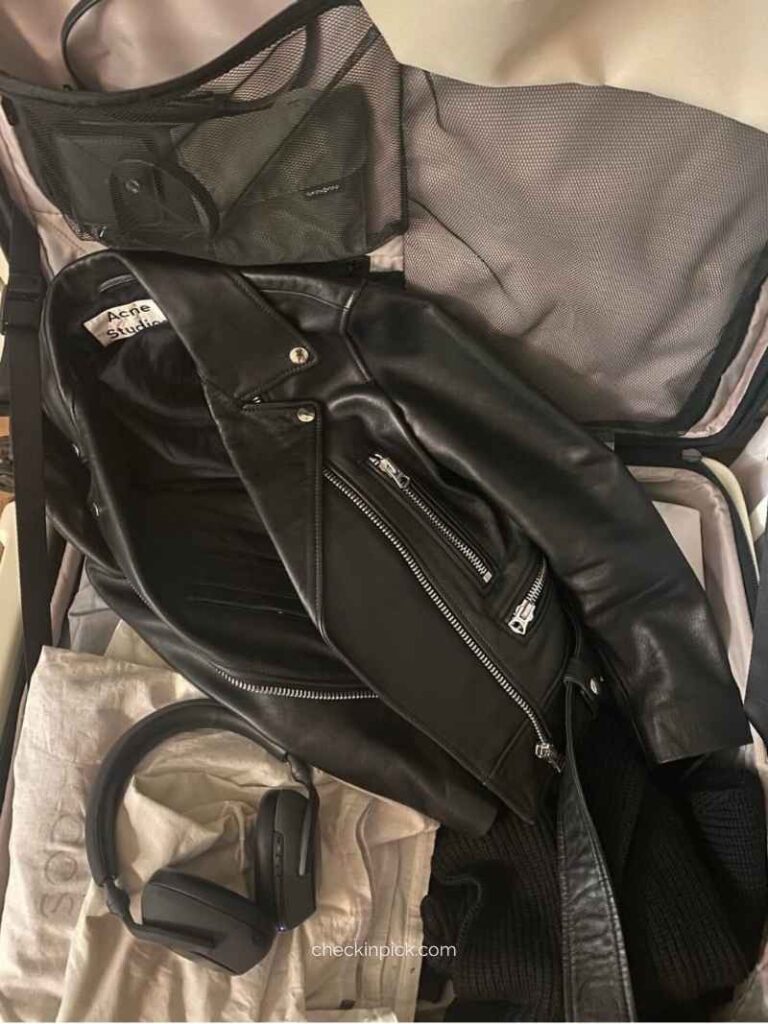
I’m something of a perfectionist by nature, but there’s something about packing for London that brings out a surprisingly optimistic side of me.
No matter how carefully I plan and how thoroughly I pack, London has a way of throwing little surprises my way. Somehow, things rarely go quite as expected here, and I think that’s part of what makes the city so special.
I might stumble upon a tiny bookshop I hadn’t planned to visit, duck into a pub when the rain suddenly starts pouring, or spot a vintage coat at a market that I absolutely don’t need but somehow can’t walk away from. Before I know it, I’ve made an unplanned purchase and my carefully planned itinerary has gone out the window.
Of course, London weather has a lot to do with it. The rain can come out of nowhere, and the weather seems to change several times a day. Honestly, it’s no exaggeration to say you can experience all four seasons in a single day.
I still remember experiencing that for the first time in London. One minute, it felt like the middle of summer. A few hours later, I was freezing in a T-shirt as if I’d somehow ended up in the middle of winter.
One summer, I finally reached my limit. Shivering in a T-shirt in the middle of Soho, I ducked into a big high-street clothing store and panic-bought the ugliest jacket I could find. It was the kind of thing I knew I’d never wear again once that day was over.
Ever since then, even when I visit London in summer, I always throw a slightly thicker cardigan into my bag before heading out. Just in case.
That’s why I’ve come to think of packing for London as less about trying to predict the weather perfectly and more about preparing for the little inconveniences that can turn an otherwise lovely day into a frustrating one — or leave you spending money on things you never intended to buy.
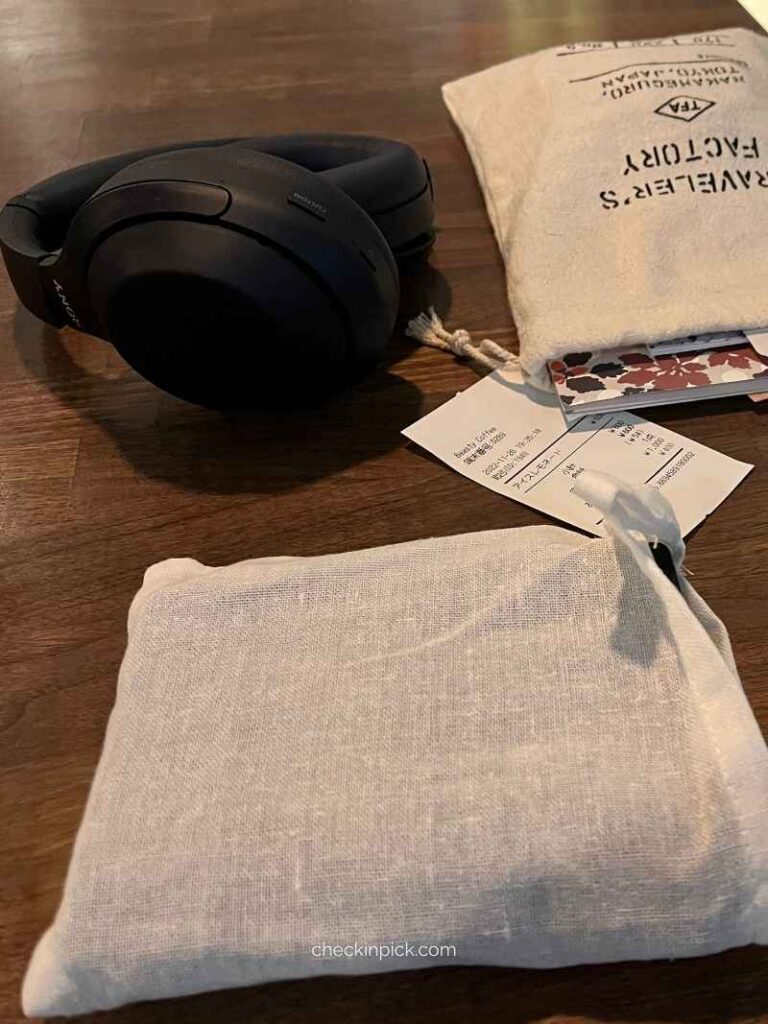
Things like wandering around looking for your hotel in damp clothes, shivering because your lightweight top is no match for the sudden cold. Or trying to navigate your way around on just 12% battery, only to find that your phone can barely get a signal, making Google Maps practically useless. And just when you think things can’t get any worse, your shoes start giving you trouble on the walk to the nearest Tube station from Covent Garden.
It’s those little things you never really think about until they happen that can make all the difference. And after a long-haul flight, when you’re already tired and just want to enjoy being in London, the last thing you need is to let something as simple as the wrong shoes or an extra layer get in the way.
For this London packing list, I want to focus on the things that have genuinely earned a place in my bag, based on my own experiences and what I’ve learned from traveling to London. No unnecessary extras, just the things that are actually worth bringing.
A Lightweight Waterproof Jacket or Windbreaker Instead of a Heavy Coat
If you know London well, you’ll probably agree that London rain has a funny way of proving the weather forecast wrong.
You might leave your hotel in the middle of the day without a single drop of rain in sight. In summer, the sun can be shining so brightly that you actually start to wonder if all those stories about London’s terrible weather were just made up.
So you head out thinking, It looks perfectly fine today. I probably don’t even need an umbrella.
Then, about 20 minutes into your walk, a light drizzle starts falling as if the weather has suddenly changed its mind. 🥲
That’s exactly why I’d rather pack a lightweight waterproof jacket than a stylish but impractical coat that takes up half my luggage. Something that keeps the wind out, protects me from the rain, and doesn’t add too much weight is always going to be my first choice.
A classic windbreaker with a hood, a sturdy zip, and enough room to fit a thin sweater underneath would be ideal.
When the weather changes throughout the day, you can easily adjust what you’re wearing without having to overthink every outfit. If it suddenly starts raining, just pull your windbreaker out of your bag, pop the hood up, and keep walking. Your hands stay free to check Google Maps while you explore Central London, without getting soaked in the process. (Most Londoners don’t bother with an umbrella unless the rain gets particularly bad.)
This is especially useful if you’re traveling as a tourist and expect to spend most of your day out and about. A jacket with genuinely good waterproofing can make a real difference when you’re walking around outdoors for hours.
I’d also avoid bringing a jacket that takes forever to dry. London hotel rooms aren’t always particularly spacious, and having to hang a heavy, soaking-wet coat over the only chair in your room is hardly ideal when you’re already tired from a full day of exploring.
A packable windbreaker takes up hardly any room in your luggage, and here’s the best part: most of them are incredibly lightweight, too. That means you can save precious luggage space and weight for the other things that are actually worth bringing on your London trip.
Shoes You’ve Actually Walked Miles In, Plus a Pair for Fancier Restaurants
If there’s one thing I would never take a chance on in London, it’s shoes.
The city might not look all that big on a map, but once you’ve hopped on the Tube a few times and started exploring different neighbourhoods on foot, you can easily end up walking several miles without even realising it.
Add in station stairs, uneven pavements, crowded platforms, and those spontaneous detours when a street looks far more interesting than the route you originally planned, and you’ll quickly understand why comfortable shoes matter so much here.
Your shoes need to handle all of that without you having to think twice about them.
My recommendation? A pair of trainers or walking shoes you already know you can comfortably wear all day. And I don’t mean shoes you’ve only worn for a quick trip to the supermarket or a short walk around your neighbourhood. Ideally, they should be shoes you’ve properly tested on a full day of walking on hard surfaces.
This becomes even more important after a long-haul flight. Sitting for hours can cause your feet to swell, which means shoes that usually fit perfectly might suddenly feel uncomfortably tight.
If you want to bring a second pair, though, make sure it serves a different purpose. A less casual pair of shoes for dinner at a fancy restaurant, for example, is worth making room for if you have somewhere special planned for the evening.
But packing two pairs that essentially do the same job? Usually not worth the extra space.
And one last thing: don’t assume those brand-new leather boots you just bought will magically become comfortable the moment you arrive in London. Your feet will thank you for sticking with shoes you already know and trust.
A Power Bank Is Essential! Your Phone Does More Than You Think
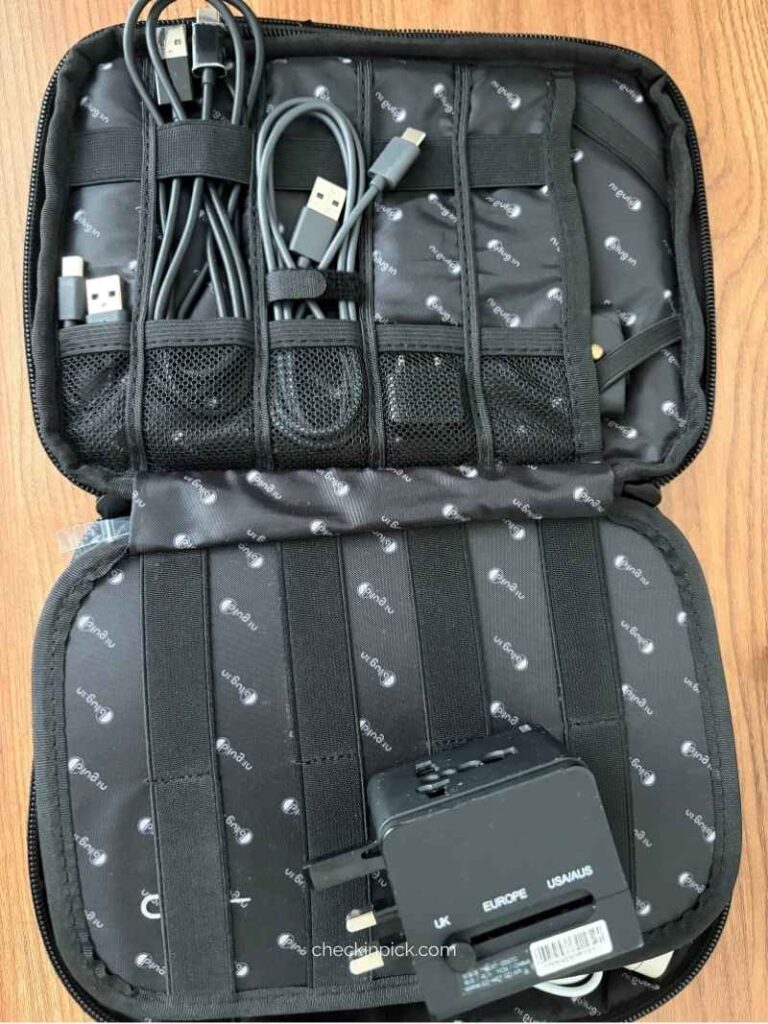
These days, our phones do pretty much everything. They’re our maps, travel guides, boarding pass holders, cameras, translators, restaurant finders, and emergency contact lists. After arriving in London on barely any sleep, your phone might even be the only thing you can rely on to find your way to your hotel.
That’s a lot to ask of one little battery.
A power bank is one of those things you’ll be incredibly grateful to have when you actually need it, so make sure you pack one.
Choose a capacity that suits how much you use your phone, and check that you’ve packed the right charging cable before you leave home. Without a compatible cable, your power bank is basically just a heavy brick taking up space in your bag.
It’s also worth checking your airline’s latest rules on carrying power banks. In general, they need to go in your cabin baggage rather than your checked suitcase, and individual airlines may have specific limits on capacity and handling. Don’t assume every airline follows exactly the same rules. Check before you fly so you’re not caught off guard at the airport.
Another useful tip is to download offline maps of your hotel and the surrounding area before your flight. They’re no substitute for a charged phone, of course, but they can be a lifesaver when your internet connection is unreliable or you haven’t sorted out your mobile data yet.
And here’s a little travel hack I’ve found particularly useful: if you can, consider bringing two power banks instead of one.
Keep a higher-capacity power bank in your main luggage for when you need a more substantial charge, and carry a smaller, lightweight one in your everyday bag. That way, you’ll always have a quick backup within reach without having to dig through your suitcase.
Imagine your phone is about to die while you’re squeezed into a crowded train, desperately trying to check your route. The last thing you want is to pull everything out of your luggage just to find your power bank. Having a small one tucked away in your everyday bag means you can grab it in seconds and get back to what you were doing.
It’s a small bit of preparation that can save you a surprising amount of stress, especially when you’re tired, navigating an unfamiliar city, and relying on your phone to get you where you need to go.
A Small Backpack or Crossbody Bag for Days Out of the Hotel

I like to think of my main suitcase as the bag that gets me to London, and my everyday bag as the one that helps me actually live in the city.
Personally, I’d go for a lightweight crossbody bag or small backpack that sits close to my body, closes securely, and has enough room for my essentials without turning into a portable storage unit.
You really don’t need to carry that much. Your phone, wallet, keys, lip balm, headphones, a small pack of tissues, and a power bank should be more than enough for a day out.
The point isn’t to carry as little as possible just for the sake of minimalism. It’s about making everyday life a little easier.
Think about all those little moments throughout the day: navigating a crowded Tube station, paying for your coffee, checking Google Maps, or stepping aside to let people pass. Everything feels so much easier when you’re not constantly shifting an oversized tote bag from one shoulder to the other.
I also like having an internal zipped pocket where I can keep receipts and smaller essentials separate from everything else. And I’d avoid bags so tiny that I have to rummage through the entire thing every time I want to grab my headphones.
Honestly, an oversized bag can be just as inconvenient as one that’s too small. The more space you have, the more likely you are to fill it with things you’ll never actually use.
The sweet spot is a bag that fits everything you need for the day, with just a little room left over for something unexpected you might pick up at a bookshop or market along the way. Because in London, you never quite know what you’ll come across.
Pack a Clean Change of Clothes in Your Carry-On for Your First Day in London
After a long-haul flight, one of the first things you’ll probably want to do is take a shower and put on a fresh shirt. The only problem? You might not be able to do either straight away, especially if your hotel room isn’t ready when you arrive.
You might want to leave your luggage at reception and head straight out to explore. Or you might be so tired and hungry that the thought of dealing with check-in feels like too much, and all you want to do is find somewhere to eat.
This is where having a clean change of clothes in your carry-on can make a real difference.
I’d recommend packing a fresh top, a clean pair of underwear, and a pair of socks in a small pouch that’s easy to reach. If you’re travelling for a special occasion, you could also throw in one or two small items that will help you look presentable enough to head straight to a meeting or dinner after landing.
The idea isn’t to squeeze your entire wardrobe into your carry-on. It’s simply to give yourself the option of changing into something clean and comfortable without having to open your checked suitcase.
There’s also a more practical reason why this little pouch is worth packing: long-haul flights aren’t exactly kind to your clothes.
Cabin temperatures can fluctuate, so you might end up feeling sweaty. You could spill something while eating on board, or simply spend so many hours sitting in the same seat that the comfortable outfit you wore when you boarded no longer feels quite so comfortable by the time you land.
Having something fresh to change into can make you feel like a completely different person, even if you haven’t had the chance to shower yet.
One last tip: keep this pouch near the top of your carry-on, somewhere you can reach without unpacking everything else. There’s no point folding your spare clothes neatly into the very bottom of your bag, only to struggle to find them when you need them most.
Versatile Layers That Work Together, Rather Than Separate Outfits for Every Forecast
The secret to dressing well in London isn’t owning a different outfit for every possible weather forecast. As I mentioned earlier, the weather here can change dramatically within a single day, so planning a completely different look for every condition just isn’t practical.
Instead, it makes more sense to pack a few versatile pieces that work well together and can handle different situations without making your luggage unnecessarily heavy.
A lightweight long-sleeved top, a comfortable sweater, and a waterproof outer layer will usually give you far more options than packing several bulky pieces that only work with certain outfits.
It’s also worth thinking about the fabrics you bring. Cotton is comfortable, but a thick cotton sweatshirt can take ages to dry once it gets wet. Merino wool and some synthetic fabrics can be useful for regulating body temperature, but merino wool does come with a few drawbacks when you’re travelling. Depending on the garment, it may need more careful washing and drying, and higher-quality merino pieces can be expensive. With London’s frequent showers and the limited laundry facilities you might have while travelling, there’s always a chance of getting an expensive sweater wet or struggling to care for it properly.
As much as I love looking stylish while travelling, I’d generally recommend bringing a comfortable synthetic-fibre sweater that’s relatively easy to care for and less likely to become a problem if it gets caught in the rain.
Neutral colours are practical because they make mixing and matching so much easier. That said, there’s no need to fill your entire suitcase with beige just because it’s supposed to be versatile. Even the most practical piece isn’t worth much if you put it on and feel like you’re wearing someone else’s clothes. A shirt you genuinely love wearing will always be more useful than something that only looks good in theory.
If you’re planning to spend the day exploring museums before heading out for dinner, it’s worth choosing an outfit that works for both without needing a complete change. A simple cotton T-shirt layered under a clean, well-fitting synthetic-fibre sweater can look perfectly put-together in a variety of settings.
And don’t forget to think beyond the temperature outside. Shops, restaurants, museums, and public transport can feel much warmer than the streets, especially when you’ve been walking around all day. A cardigan-style sweater is particularly useful here. You can easily take it off when you get too warm and put it back on when you head outside, giving you the flexibility of an extra layer without having to carry around another bulky coat.
It might seem like a small detail, but when you’re spending the entire day exploring London, those little choices can make getting dressed and moving around so much easier.
A Compact Umbrella That Won’t Fall Apart at the First Sign of Wind
A travel umbrella might seem like an obvious thing to pack, but it’s surprisingly easy to choose the wrong one.
The tiniest umbrellas fit neatly into your bag, but they can turn inside out as soon as the wind picks up. On the other hand, a large golf umbrella offers plenty of coverage, but it can be awkward to handle on a crowded bus or inside a small café.
Personally, I’d go for a compact folding umbrella with a reasonably sturdy frame and a cover that’s easy to put back on. That last detail matters more than you might think, because at some point, you’ll almost certainly need to put your umbrella away while it’s still wet.
To be honest, I’d rely on a hooded waterproof jacket for most everyday situations in London. But an umbrella still comes in handy when the rain gets particularly heavy, when you want to protect your hair, when you’d rather not have raindrops splashing onto your glasses, or when you’re walking with someone who doesn’t have a hood.
It’s also worth thinking about where you’ll put your umbrella once you step indoors. If you squeeze a wet umbrella into an already-full bag, you could end up with soggy receipts, damp tissues, and a whole lot of unnecessary hassle. A separate umbrella sleeve or a dedicated outer pocket can help keep everything else dry.
You don’t need to invest in an expensive umbrella just for your London trip. You just need one that opens properly, folds away without a fight, and is light enough that you won’t regret bringing it along.
That’s really all a good travel umbrella needs to do.
A Reusable Water Bottle That Makes Sense for Your Actual Itinerary
Considering how much you can end up spending on bottled still water in London, I’d definitely recommend carrying a reusable water bottle, but only if it’s convenient to carry and easy to refill along the way.
If you’re planning to spend the entire day exploring, bringing a larger bottle might seem like the sensible choice. But once your bag already contains a lightweight waterproof jacket, a power bank, and a few little souvenirs you’ve picked up along the way, the extra weight and bulk of a water bottle can become surprisingly annoying. If you have opportunities to refill it throughout the day, a slim bottle is often more than enough.
There are public drinking water fountains at some locations around London, and you can also ask for tap water at cafés where you stop. Availability varies, though, so don’t assume you’ll find a convenient refill point everywhere you go. Choose a reusable bottle that suits your actual plans for the day rather than carrying a huge one just in case.
You don’t need anything fancy. A bottle with a secure lid that’s easy to clean will do the job perfectly well. If you’re planning to keep it inside your bag, make sure it doesn’t leak before you discover a puddle forming next to your passport.
Your water bottle doesn’t need to be expensive or particularly stylish. It just needs to be convenient enough that you’ll actually use it and practical enough to do its job. And if it happens to keep your water cold or your tea warm, even better!
Small Toiletries That Solve Actual Problems
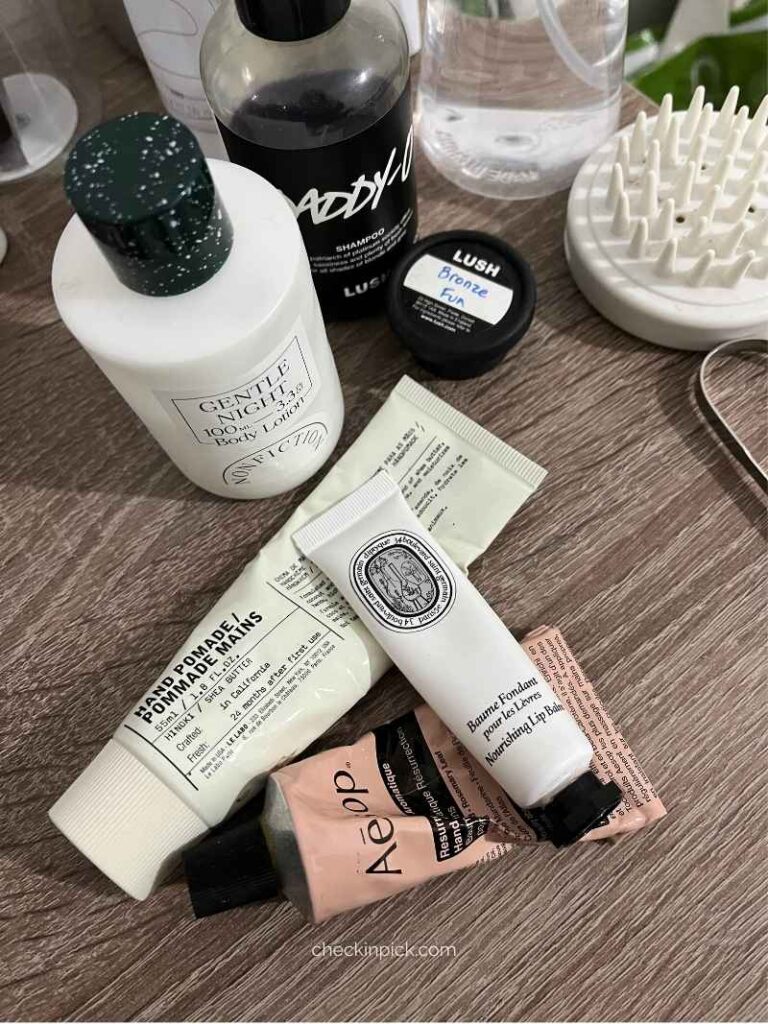
When preparing for a trip, it’s tempting to pack everything you normally keep in your bathroom, simply because you don’t want to risk using unfamiliar products while you’re away. I get it. But before you know it, your bag can end up filled with bottles and tubes you barely touch throughout the entire trip.
For London, I’d prioritise the things that would be difficult or inconvenient to replace when you actually need them. If you take prescription medication, for example, make sure you bring what you need. Glasses or contact lenses and their essentials, your usual lip balm, and basic personal hygiene products are also worth packing.
The dry air on long-haul flights can leave your skin and lips feeling parched, so a small moisturiser is worth bringing along, too. Pocket tissues come in handy in all sorts of everyday situations, and a few blister plasters could save you from having to cut a day of exploring short because your shoes have started rubbing against your feet.
If you wear contact lenses, keep the small quantities of solution and other essentials you’ll need in your carry-on, making sure to follow the relevant rules for carrying liquids on board. The same goes for any other essentials you might need to keep accessible during your journey.
For liquids, use travel-sized containers where necessary, and check the latest security rules for every airport on your itinerary. Requirements can vary depending on where you’re flying from, so relying on a packing tip you read a few years ago could leave you dealing with unnecessary hassle at security.
Just because something fits in your toiletries bag doesn’t mean you need to bring it. You don’t have to pack every product you use once a month at home.
Instead, focus on the little things that can solve a real problem while you’re away. Here are some useful essentials to consider.

Easy-to-Miss Travel Packing Tips
These are a few small items that are easy to overlook when packing but can make your trip much more comfortable. They take up very little space, yet I find myself using them almost every day while traveling.
Hand Cream
One thing I always notice while traveling is how quickly my hands dry out. Between airplane cabin air, frequent hand washing, and using hand sanitizer throughout the day, my skin always feels drier than usual. A small hand cream barely takes up any room in your bag, but it’s one of those little items you’ll be glad you packed.
Lip Balm
Long flights, air conditioning, and changing weather can leave your lips feeling dry much faster than expected. Keeping a lip balm in your backpack or jacket pocket means it’s always within reach, and you’ll probably end up using it more often than you think.
Scalp Massage Brush
If you’re traveling for several days, a compact scalp massage brush can make a surprising difference. After long walks, humid weather, or hours of sightseeing, it helps clean your scalp more thoroughly and makes every shower feel much more refreshing.
Travel-Size Body Lotion
Instead of transferring lotion into small travel containers, I usually buy the 50 ml travel-size version. It’s compact enough for carry-on luggage, fits within airline liquid limits, and saves the hassle of packing extra bottles before your trip.
Save Luggage Space with a Shower Jelly
If you’re trying to pack lighter, consider bringing a shower jelly instead of a traditional body wash. Since it’s a solid product, you don’t have to worry about liquid restrictions or leaks inside your luggage. It’s a simple swap that frees up space in your toiletry bag and makes packing a little easier.
Wet Wipes and Travel-Size Toiletries
A travel-sized pack of wet wipes doesn’t take up much space, but it can be incredibly useful throughout your trip. Whether you’re cleaning your hands before a meal, wiping down an airplane tray table, or freshening up after a long day of sightseeing, you’ll probably end up using it more often than you expect.
If you already have a moisturizer that works well for your skin, consider buying the 50 ml travel-size version instead of transferring it into small containers. It’s much more convenient, meets carry-on liquid restrictions for most flights, and saves you the hassle of packing separate travel bottles. I almost always bring a 50 ml moisturizer because it’s one less thing to worry about when packing, and it’s ready to use as soon as I need it.
A UK Plug Adapter and a Smart Charging Plan for All Your Devices
The UK uses Type G electrical sockets, with three rectangular pins. If you’re travelling from a country that uses a different type of plug, you’ll need a suitable adapter.
It’s also worth checking the voltage requirements of your devices. Many modern phone and laptop chargers support a range of input voltages, but not every electronic device does, so check the label before you leave. A plug adapter changes the shape of the plug, but it doesn’t automatically convert the voltage.
Personally, I’d rather bring one reliable adapter with enough ports for the devices I actually use than pack several separate adapters that can easily get lost in different pockets of my bag. If you need to charge your laptop, phone, watch, and camera, think about which devices need to charge overnight and which ones can wait until later.
As long as it meets the compatibility and electrical safety requirements for your devices, a compact multi-port charger can also help reduce the number of things you need to pack.
One more thing worth checking before you leave is whether your hotel room has a power socket close to the bed. In some rooms, the most conveniently located socket might be quite a distance from the bedside table.
If the socket situation turns out to be less than ideal, this is where that larger-capacity power bank we packed earlier really comes into its own. Remember the heavier one we decided to leave in our main luggage? This is exactly the kind of situation it’s for!
You can use the larger power bank to recharge your phone after a full day of exploring, while charging your smaller, lightweight power bank overnight. The next morning, simply grab the smaller one and pop it back into your everyday bag, ready for another day out.
Just remember to recharge the larger power bank during the day whenever you get the chance, so it’s ready to use again when you return to your hotel. That way, you can keep your everyday bag light while still having enough backup power to get you through the trip.
A Simple Laundry Plan for Trips That Last More Than a Few Days
Laundry might not be the most exciting part of planning a trip, but it can make a real difference to how much you need to pack.
If you’re staying in London for a week or longer, it’s worth thinking about whether you’ll be able to wash a few things during your trip. Your accommodation might have laundry facilities, or there could be a self-service laundrette nearby. If you need to have certain clothes washed by a particular day, it’s best to check availability in advance rather than leave it to chance.
A small laundry bag is useful for keeping worn clothes separate from clean ones. If you’re planning to hand-wash a few items, you could also pack detergent sheets or a small bottle of travel laundry detergent, provided your accommodation allows it and you have a suitable sink to use.
Quick-drying underwear and socks can also help you get away with packing fewer pairs. It’s certainly not essential for everyone, but it’s a handy trick if you’re trying to travel with less.
The biggest advantage is flexibility. Once you know you can wash a few everyday essentials along the way, there’s less pressure to pack an extra outfit for every possible situation.
Of course, it’s still worth bringing enough comfortable clothes to see you through your trip if your laundry plans don’t work out. The idea isn’t to turn your holiday into a never-ending cycle of household chores. It’s simply about giving yourself another option.
That said, if you’re planning to do plenty of shopping while you’re in London and would rather not spend any of your trip doing laundry, leave as much room as you can in your suitcase instead. You’ll probably appreciate that extra space when you come across something you simply can’t leave behind.
What to Leave at Home

A good packing list isn’t just about deciding what goes into your bag. It’s also about knowing what you’re better off leaving behind.
For a trip to London, there are a few things I’d think twice about packing.
I completely understand wanting to get those perfect travel photos, but even the most beautiful shoes aren’t worth bringing if you’ve never worn them for a full day. If a pair starts rubbing against your heels after just 40 minutes, London is probably not the place to break them in.
I’d also think twice about bulky hair styling tools you only use once a week at home, several heavy outfits you’re packing just in case, and clothes you can’t actually picture yourself wearing but somehow feel you might need for some mysterious occasion.
The same goes for toiletries. Instead of bringing full-sized products you can easily replace if necessary, or packing every single skincare product from your bathroom shelf, stick to the ones you genuinely use and rely on as part of your everyday routine.
A bag that feels perfectly manageable when it’s empty can become surprisingly heavy once you add a water bottle, a jacket, souvenirs, and a few snacks. Before you leave, try packing everything you realistically expect to carry and see how it feels. It’s a simple way to avoid overpacking, and it’s especially worth doing if you want to avoid paying extra baggage fees on your way home.
One book to read during the trip is perfectly reasonable, but there’s rarely a need to bring piles of printed documents when your important booking details can also be accessed online or stored securely in digital form. Keep paper copies only when they serve a clear purpose or provide a genuinely useful backup.
None of this means you have to travel with just a tiny backpack and two outfits on repeat. The point is simply to pack for the trip you’re actually taking, rather than some imaginary version of it where you attend a formal dinner every evening and someone else carries your bags every time you encounter a flight of stairs.
Pack for your real plans, your real habits, and the way you actually like to travel. Your shoulders, your suitcase, and probably your future self will thank you for it.
Remember that the best packing list is the one that matches your travel style. Whether you’re visiting London for a weekend getaway or a two-week vacation, packing practical items you’ll actually use is usually better than bringing things you may never need.
Keep These Essentials Within Easy Reach on Arrival Day
Your first day in London deserves its own packing strategy. You’ll probably be tired, a little disoriented in an unfamiliar place, and far less patient than usual when it comes to rummaging through your bags to find something.
Personally, I’d keep the following essentials together in my personal item bag:
- Passport and essential travel documents
- Phone, charging cable, and one small, lightweight power bank (keep the larger-capacity one in your main luggage)
- Payment cards and a small amount of emergency cash, if needed
- Essential medication
- A clean top and fresh underwear
- Tissues and lip balm
- Your hotel address saved offline
- A lightweight outer layer that’s easy to grab
Exactly what you need will depend on your flight and what you plan to do after landing. If you’re heading straight to your hotel, you might not need much at all. But if you’re planning to explore before check-in, a clean top, comfortable shoes, and waterproof gear that’s easy to reach become much more valuable.
It’s also worth thinking about the possibility of your checked luggage arriving late. You don’t need to fit everything you’ll need for the entire trip into your personal bag, but having enough essentials to get through your first evening without having to rush out and buy replacements can make a real difference.
And that’s the key difference between packing for your flight and packing for your first day of travel. One gets you to London. The other helps you actually enjoy being there from the moment you arrive.
A Simple London Packing Checklist for 2026
Here’s a practical checklist to use when packing for your trip. The exact items you need may vary depending on the season, how long you’re staying, and what you have planned.
Clothing
| Item | Packed |
|---|---|
| Comfortable walking shoes | ☐ |
| Lightweight waterproof jacket with a hood | ☐ |
| A few tops that work with different bottoms | ☐ |
| One or two sweaters or warm layers, depending on the season | ☐ |
| Trousers or everyday bottoms that go with several tops | ☐ |
| Socks and underwear | ☐ |
| Pyjamas | ☐ |
| One smarter outfit, if your plans call for it | ☐ |
Everyday Essentials
| Item | Packed |
|---|---|
| Small crossbody bag | ☐ |
| Compact folding umbrella | ☐ |
| Reusable water bottle | ☐ |
| Power bank and charging cable | ☐ |
| UK Type G plug adapter | ☐ |
| Phone with offline maps downloaded | ☐ |
Toiletries and Personal Care
| Item | Packed |
|---|---|
| Essential medication | ☐ |
| Toothbrush and toothpaste | ☐ |
| Lip balm and moisturiser | ☐ |
| Tissues | ☐ |
| Blister plasters | ☐ |
| Contact lens supplies or glasses, if needed | ☐ |
| Travel-sized liquids that comply with current security rules | ☐ |
Carry-On Bag
| Item | Packed |
|---|---|
| Passport and travel documents | ☐ |
| Payment cards | ☐ |
| A clean top and underwear | ☐ |
| Essential medication | ☐ |
| Charging cables and other charging essentials | ☐ |
| Accommodation details saved offline | ☐ |
Before you zip up your suitcase, check the forecast for your actual travel dates. Use it as a rough guide rather than a guarantee, because London weather can change quickly. It’s also worth checking your airline’s baggage allowance and the latest rules on liquids and power banks at your departure airport.
These small checks can be much more useful than relying on a generic packing list that assumes London will have the same weather all year round.
Finally, Pack for the London You’ll Actually Experience
The most useful things in my bag aren’t necessarily the most clever or expensive, designer pieces. They’re the little things that make a day of navigating unfamiliar streets, changing trains, dealing with tired legs, and occasionally unpredictable weather feel just a bit easier.
A waterproof jacket means I can keep walking when the drizzle starts. Comfortable shoes let me take the longer route when something catches my eye, or spend a little more time on my feet without regretting it later. A fully charged phone helps me find my way around an unfamiliar city without turning every journey into a frustrating puzzle. And having a clean top in my carry-on makes the first day feel a little more comfortable after a long-haul flight.
I put every item on this list to the same test: Will it make a situation I’m genuinely likely to encounter easier to deal with, or am I only packing it for something I’ve imagined might happen?
In London, you might spend the morning in a museum, stumble across an incredible lunch spot on an unassuming side street, and end the day somewhere you never planned to visit, only to find it becomes one of your favourite memories of the trip. Your luggage should make days like that possible, not leave you feeling as though you’re dragging your entire wardrobe around the city.
Pack with London’s changeable weather, all the walking, and those first few hours after arrival in mind. Leave the rest to the adventure itself, and use this guide as a starting point to get ready without overthinking every little thing. 🙂
Still Feel Like Your Packing List Is Missing Something?
What Should I Pack for a Winter Trip to London?
Bring a lightweight padded jacket that you can layer over warmer clothes, along with a hot water bottle to snuggle up with at night. London winters are generally fairly mild, but cold winds and frequent rain mean that dressing in layers is usually your best bet. A hot water bottle is also a lovely little extra to have when you get back to your hotel and want to settle in for a cosy night’s sleep. 🙂
Do You Need Cash in London?
Most places in London accept contactless payments, so you can usually get by with a contactless card or an international credit card. There’s no need to carry a lot of cash, but keeping a small amount on hand can be useful just in case you run into a situation where card payments aren’t an option.
Should I Get Travel Insurance Before Visiting London?
Taking out travel insurance before your trip to the UK can give you some peace of mind if things don’t go as planned. It can help cover unexpected medical expenses if you suddenly fall ill or get injured while travelling, as well as other travel mishaps such as lost luggage or flight delays.
If possible, it’s worth arranging your insurance before you leave home. Just make sure to read the policy carefully before choosing one, paying particular attention to what’s covered, the payout limits, and any exclusions.

Welcome to CheckinPick. We create practical travel guides for visitors planning trips to London and other destinations.
Our editorial team focuses on useful, up-to-date information about transportation, accommodation, attractions, fares and travel planning. We research information using official sources and reputable travel resources, and we update our guides when important details change.
Our goal is to make travel information easier to understand and more useful for real-world trip planning.