
Introduction
London Travel Zones can seem confusing if it’s your first time visiting the city. If you’ve ever pulled up a Tube map before a trip to London, you’ve seen those colored rings labeled Zone 1, Zone 2, Zone 3, and so on. It looks intimidating at first—like you need a strategy just to figure out which ticket to buy. You don’t. The zone system is really just how Transport for London (TfL) works out what to charge you, and if you’re paying with a contactless card or an Oyster card, you barely have to think about it at all.
By the end of this guide, you’ll know which zones you’ll actually use, how fares work, and when London’s zone system really matters for your trip.
What Are London’s Travel Zones?
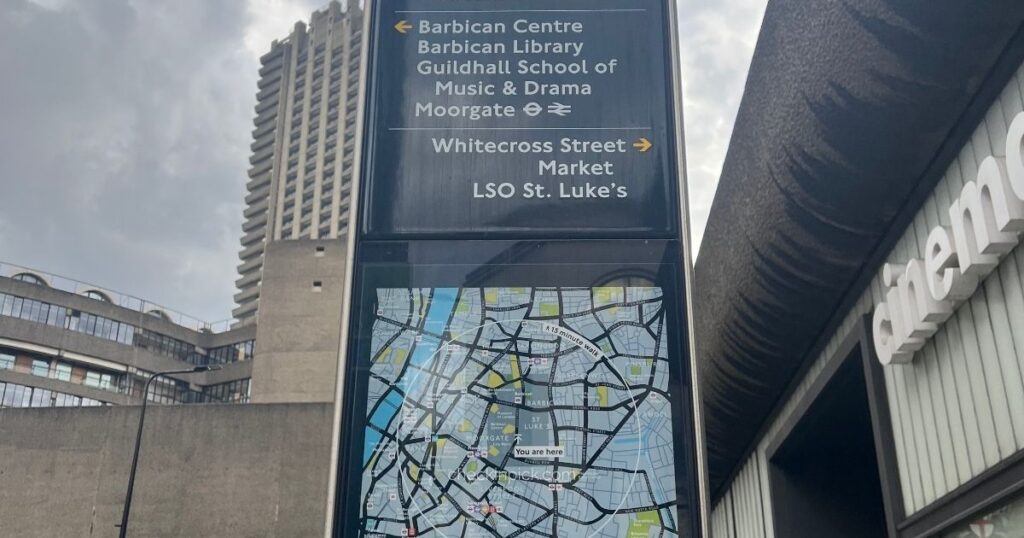
London’s public transport network — the Underground, the Elizabeth Line, London Overground, the DLR, and most National Rail services within the city — is split into nine fare zones.
Zone 1 sits at the center and covers the core of the city, while the zones radiate outward in rings. Zone 9 includes only a handful of stations on the outer edge of Greater London’s transport network.
The more zones you travel through, the more you’ll usually pay.
| Zone | What’s there |
|---|---|
| Zone 1 | Central London — most of the big-name sights |
| Zone 2 | Inner neighborhoods just outside the centre |
| Zones 3–6 | Outer London, residential areas, Heathrow |
| Zones 7–9 | Greater London’s outskirts and a handful of stations beyond it |
For a first-time visitor, only the first two rows really matter.
Zone 1 and Zone 2 Cover Almost Everything You Came to See
This sounds more complicated than it really is because most visitors hardly ever leave Zones 1 and 2. That’s where the vast majority of London’s landmarks, museums, and popular neighborhoods happen to sit.
Zone 1: the tourist core
Westminster, Buckingham Palace, Big Ben, the London Eye, Covent Garden, Soho, Leicester Square, Trafalgar Square, the British Museum, and the Tower of London are all in Zone 1. If your itinerary reads like a “top 10 things to do in London” list, you’re mostly staying in this one zone.
Zone 2: still central, just a step out
Camden Town, Notting Hill, Shoreditch, and Canary Wharf all fall in Zone 2. Greenwich straddles Zones 2 and 3, depending on exactly which station you use.
If you’re staying in central London, it’s easy to spend several days exploring these neighborhoods without ever needing to venture farther out.
If you’re still planning your itinerary, our London Itinerary for 3 Days (2026) guide covers many of the attractions located in Zones 1 and 2.
When you actually need Zones 3–6
There are a few well-known exceptions worth knowing in advance. Wimbledon (host of the tennis championships) sits in Zone 3. Richmond, with its park and riverside walks, is Zone 4 — the same zone as Wembley Stadium. If a day trip or a specific event pulls you out that far, it’s not a big deal; it just means budgeting a slightly higher fare and expecting a longer ride than anything within central London.
Oyster Card or Contactless — Which Should You Use?
Most visitors don’t need to buy anything special at all. If your bank card has the contactless payment symbol, you can tap it directly on the yellow readers at any Tube, bus, or rail entrance in London — no registration, no PIN, no separate ticket to carry. The fare comes straight out of your normal account, calculated the same way it would be on an Oyster card.
An Oyster card still has its place. It’s worth getting if you’d rather not use your everyday bank card abroad, if you want to avoid foreign transaction fees your bank might charge, or if you’re travelling with children who qualify for discounted fares, since those concessions are tied to an Oyster photocard rather than a bank card. Buying one does involve a small refundable deposit, and topping it up takes an extra step at a machine or online — for most short tourist trips, that hassle usually isn’t worth it compared to just tapping a contactless card.
One thing to watch either way: keep only one payment card near the reader when you tap. If two contactless cards are sitting together in a wallet or a phone case, the reader can pick up the wrong one, or read a different card on the way out than the one you tapped in with — which can split what should be one journey into two, sometimes at a higher fare.
If you’re still unsure which payment method is best, compare the pros and cons in our Oyster Card vs Contactless in London (2026) guide.
How Zones Affect What You Pay
The short version: the more zones your journey crosses, the more it costs, and traveling during peak hours costs more than off-peak. Peak times on the Tube and most rail lines run roughly 6:30–9:30am and 4–7pm on weekdays; outside those windows, and all day on weekends and public holidays, you’re paying the cheaper off-peak rate.
TfL also caps how much you’ll be charged across a single day, so even if you hop on and off the Tube constantly, you won’t keep paying more forever. Once your total fares for the day hit the cap for the zones you’ve travelled in, everything else that day is free.
To give a sense of scale, daily caps for pay-as-you-go travel currently sit around £8.90 for Zones 1–2, rising to roughly £12.80 if you venture out to Zone 4, and about £16.30 if your day takes you all the way out to Zone 6. These figures do shift periodically, so treat them as a ballpark rather than gospel — but the pattern holds: staying within Zones 1–2 keeps your transport costs genuinely low.
The part that actually matters for a visitor is this: you don’t need to work any of it out yourself. Tap in with your Oyster card or contactless bank card at the start of your journey, tap out at the end, and the fare is calculated automatically based on the zones you passed through. No mental math, no zone charts to memorize.
One catch worth flagging: the cap only works if you stick to one card or device all day. Mixing an Oyster card for some trips and a contactless card for others means the system tracks two separate totals, and neither one may reach the cap — so you could end up paying more than you needed to, simply by switching cards partway through the day.
Heathrow Isn’t in Central London — Plan Around It
A lot of visitors assume that because Heathrow is London’s main airport, it must be somewhere near the center. It isn’t. Heathrow sits out in Zone 6, so any journey between the airport and central London crosses several fare zones and costs noticeably more than a trip confined to Zones 1–2.
The most straightforward way in from Heathrow is the Piccadilly Line or the Elizabeth Line — both run directly into central London without requiring a change of train.
The Heathrow Express doesn’t use the standard TfL fare system. It’s the fastest option, but it’s also the most expensive.
If you’re traveling to Heathrow from places such as Reading or Maidenhead, keep in mind that those stations sit outside London’s fare zones and use standard National Rail fares rather than TfL’s zonal pricing.
Worth knowing too: Gatwick Airport isn’t part of the TfL zone system at all. Journeys there run on standard National Rail fares instead.
Planning your airport transfer? Our Heathrow to Paddington Train (2026) guide compares the fastest ways to reach central London.
Do London Buses Use Travel Zones?
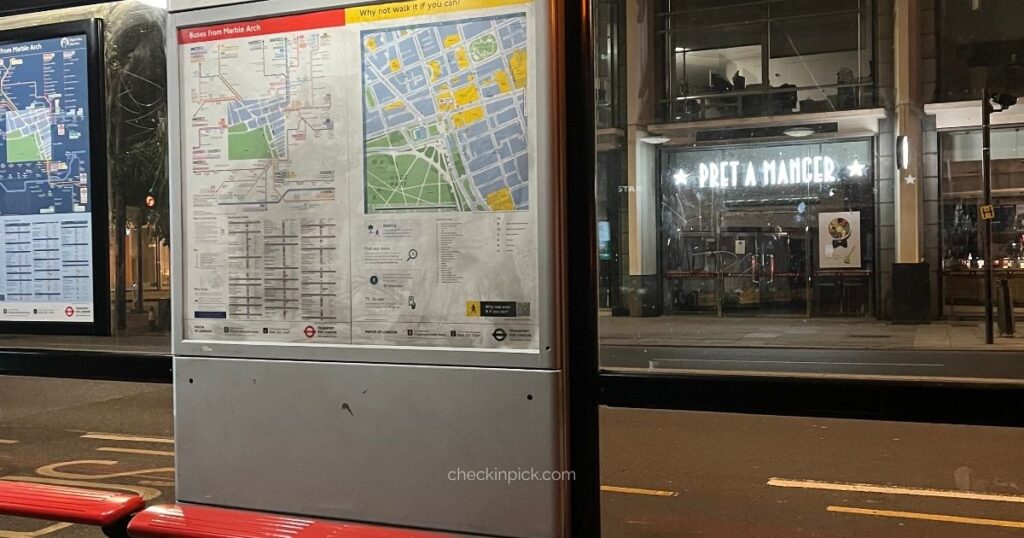
This one’s easy to remember because it breaks the pattern entirely: London buses charge a flat fare no matter how many zones you cross or how far you travel. Daily fare caps still apply on top of that flat rate.
A single bus or tram fare currently runs about £1.75, with its own daily cap of roughly £5.25 if you only travel by bus that day. There’s also a “Hopper fare” built in, which lets you make a second bus or tram journey within an hour of tapping in for free — handy if your route needs a change partway through.
That also makes buses one of the cheapest ways to travel longer distances across London, especially if you’re not in a hurry.
If you’re planning to use London’s buses, see our How to Use Buses in London (2026) guide for fares, payment methods, and useful tips.
Traveling With Kids
If you’re visiting London with children, you’ll be pleased to know that the fare rules are quite generous. Kids under 11 travel free across the entire TfL network — Tube, bus, tram, DLR, Overground, and the Elizabeth Line — as long as they’re with a paying adult, and there’s no card or ticket needed for them at all.
For children aged 11 to 15, buses and trams are free, and Tube or rail fares are charged at half price, but only if the child has a Zip Oyster photocard set up in advance — a standard contactless card won’t apply the discount. If you’re only in London for a day or two with an older child, it’s often simpler to just buy them a single ticket or a day Travelcard at a station machine rather than going through the process of getting a Zip card for a short visit.
Mistakes Worth Avoiding
Here are the most common mistakes first-time visitors make:
Assuming you need to plan your ticket around every zone you’ll visit. If you’re using Oyster or contactless, you don’t choose zones in advance — you just tap in and out, and the fare sorts itself out.
Assuming everything worth seeing is in Zone 1. Plenty of popular spots — Camden Market, Notting Hill, and Greenwich among them — sit in Zone 2 or beyond. Wembley Stadium, for instance, is out in Zone 4.
Forgetting Heathrow is in Zone 6. Budget a bit more for that airport journey than you would for a trip across central London.
Carrying two contactless cards in the same wallet. As mentioned above, this can confuse the reader and break your fare capping for the day — keep your travel payment card separate from any spares.
Overthinking the whole system. Unless you’re buying a paper Travelcard in advance, you really don’t need to memorize the zone map. Tap in, tap out, and let the system do the work.
Touching in but forgetting to touch out. On the Tube, Elizabeth Line, London Overground, and National Rail services, forgetting to tap out can result in the maximum fare being charged.
Frequently Asked Questions
What are London Travel Zones?
They’re the fare zones TfL uses to price journeys on the Underground, Elizabeth Line, Overground, DLR, and most National Rail services within London — numbered 1 (central) through 9 (outer edges).
Which zones do tourists usually need?
Almost always just Zones 1 and 2, where the bulk of London’s major attractions, hotels, and shopping areas are located.
Is Heathrow Airport in a London Travel Zone?
Yes — Zone 6. You can reach it from central London via the Piccadilly Line or the Elizabeth Line using Oyster or contactless payment.
Is Gatwick Airport part of the zone system?
No. Gatwick sits outside the TfL zones and is priced under standard National Rail fares.
Do buses use travel zones?
No — London buses charge one flat fare regardless of distance or zones crossed.
Do I need to work out my own fare based on zones?
No. Tap in and out with Oyster or contactless and the correct fare is calculated for you automatically.
What is the daily fare cap?
It’s the maximum amount you’ll be charged in pay-as-you-go fares in a single day, running from around 4:30am to 4:29am the next morning. Once you hit it, the rest of that day’s journeys within those zones are free — as long as you stick to the same card all day.
Do children pay for the Tube?
Kids under 11 ride free with a paying adult across the whole network, no ticket required. Ages 11–15 get free buses and half-price rail fares, but only with a Zip Oyster photocard arranged in advance.
Which zones cover most tourist attractions?
Most of London’s famous attractions are in Zones 1 and 2, including Westminster, Buckingham Palace, Covent Garden, Camden Town, Notting Hill, and Shoreditch.
Which zone is Heathrow Airport in?
Heathrow Airport is in Zone 6.
Do I need a different ticket for each zone?
No. If you’re using Oyster Card or contactless payment, fares are calculated automatically based on the zones you travel through.
Final Thoughts
London Travel Zones aren’t nearly as complicated as they first seem. Most visitors spend almost their entire trip within Zones 1 and 2, and Oyster Card or contactless payment automatically calculates the correct fare for every journey. Once you understand the basics, you can stop thinking about fare zones and simply enjoy exploring London.

Welcome to CheckinPick. We create practical travel guides for visitors planning trips to London and other destinations.
Our editorial team focuses on useful, up-to-date information about transportation, accommodation, attractions, fares and travel planning. We research information using official sources and reputable travel resources, and we update our guides when important details change.
Our goal is to make travel information easier to understand and more useful for real-world trip planning.