
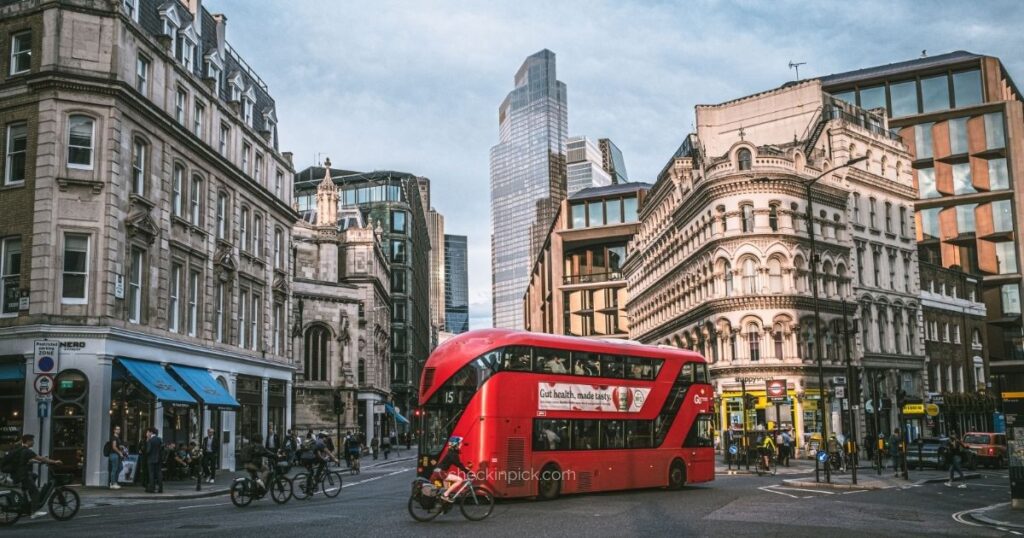
London is a city that changes dramatically throughout the year. From spring gardens and long summer evenings to autumn colors and Christmas lights, each season offers a different way to experience the city.
Spring brings colorful parks, summer offers long daylight hours, autumn paints the city in warm colors, and winter lights up the streets with Christmas markets and festive decorations.
So, when is the best time to visit London?
The answer depends on what kind of trip you’re planning. Some travelers prioritize pleasant weather, while others focus on lower prices or avoiding large crowds.
This month-by-month guide will help you choose the best time to visit London based on the weather, crowds, prices, and the type of trip you’re planning.
Whether you’re visiting London for the first time or returning for another trip, this guide will help you make the most of your travel plans.
Best Time to Visit London: Quick Answer
If you’re looking for the best overall experience, April, May, September, and early October are excellent choices.
Here’s what you can typically expect during these months:
- Mild temperatures
- Comfortable sightseeing weather
- Beautiful parks and gardens
- Smaller crowds than peak summer
- Better hotel prices than July and August
The best season depends on what matters most to you, whether that’s pleasant weather, lower prices, or fewer crowds.
- Spring is ideal for outdoor sightseeing.
- Summer offers the longest daylight hours.
- Autumn provides beautiful scenery and fewer tourists.
- Winter is perfect for Christmas markets and festive events.
Check-in Pick Insight
Many first-time visitors only compare average temperatures when choosing travel dates. In London, daylight hours can make just as much difference.
Visiting in June means you may still have daylight well into the evening, giving you several extra hours for sightseeing compared with a winter trip.
London Weather Overview
London has a mild oceanic climate, meaning extreme temperatures are uncommon throughout the year.
Rather than dramatic seasonal changes, London experiences gradual shifts in weather, with occasional rain possible throughout the year.
Here’s a general overview:
| Season | Weather | Crowds | Budget |
| Spring (Mar–May) | Mild and fresh | Moderate | Moderate |
| Summer (Jun–Aug) | Warm | High | Expensive |
| Autumn (Sep–Nov) | Cool | Moderate | Moderate |
| Winter (Dec–Feb) | Cold | Mixed | Lower (except Christmas) |
Although London has a reputation for rainy weather, continuous all-day rain is less common than many people expect. Short showers are much more typical, which means carrying a lightweight umbrella is usually enough.
Knowing what to expect each season makes it much easier to choose the right time for your trip.
Spring in London (March to May)

For many travelers, spring is the most balanced season to visit London. Temperatures become comfortable after winter, flowers begin blooming across the city, and popular attractions are noticeably less crowded than during peak summer.
Average temperatures range between 9°C and 18°C (48°F–64°F), depending on the month. Spring is one of the best times to explore London’s famous parks, with blooming flowers and comfortable walking weather.
Visitors can enjoy beautiful displays of flowers in places such as:
- Hyde Park
- Kensington Gardens
- Regent’s Park
- St James’s Park
Outdoor cafés become livelier, and locals begin spending more time in the city’s parks and gardens.
Why Visit London in Spring?
- Comfortable walking weather
- Beautiful gardens and parks
- Longer daylight hours
- Moderate hotel prices
- Great season for first-time visitors
Things to Consider
Spring weather can change quickly.
A sunny morning may become cloudy or rainy later in the day, so wearing light layers is usually the most practical choice.
Check-in Pick Insight
If your itinerary includes long walking days, spring often provides a better balance than midsummer.
Comfortable temperatures can make full-day sightseeing more enjoyable, especially when exploring neighborhoods like Westminster, Covent Garden, or Notting Hill on foot.
If you’re deciding where to base yourself, our guide to the best areas to stay in London explains the pros and cons of each area, while our London neighborhoods guide helps you get to know the city’s most popular districts.
Summer in London (June to August)
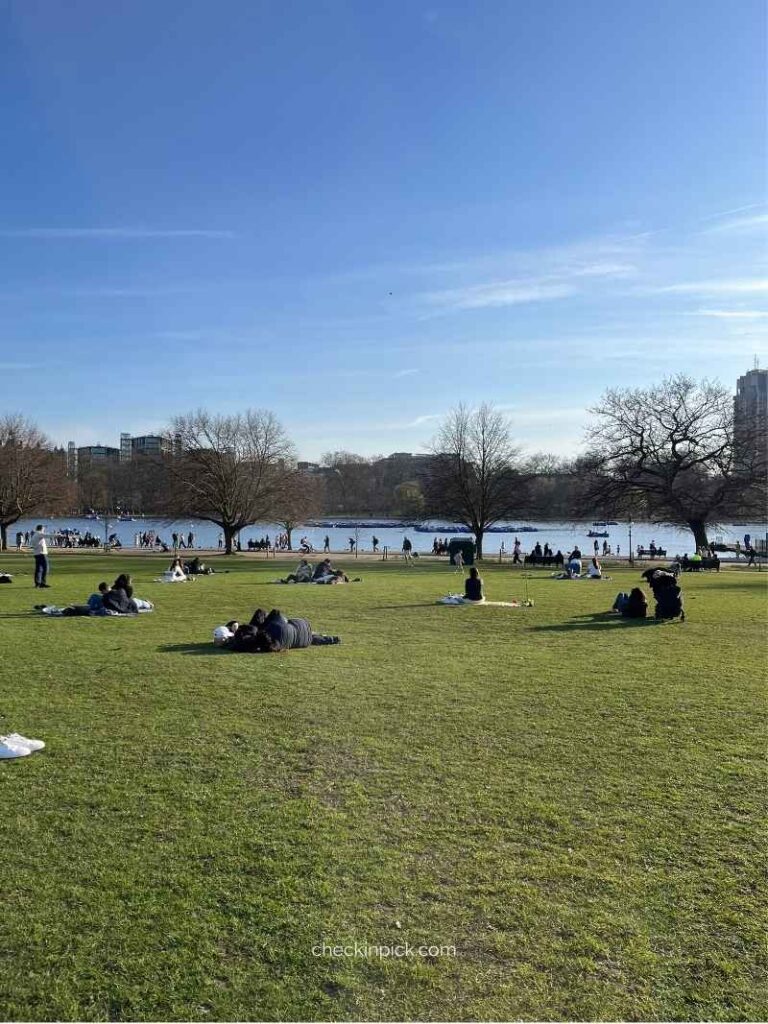
Summer is London’s busiest travel season, and for good reason.
The city comes alive with outdoor events, festivals, riverside dining, and long evenings that encourage visitors to stay out well after dinner.
Temperatures usually range from 18°C to 26°C (64°F–79°F), although occasional heatwaves can push temperatures above 30°C.
One of the biggest advantages of visiting during summer is the extra daylight. In late June, sunset is often after 9 PM, giving you plenty of time to explore without feeling rushed.
If you’re planning a short trip, our London Itinerary for 3 Days shows how to make the most of those long summer evenings while covering London’s top attractions efficiently.
Popular outdoor experiences include picnics in Hyde Park, riverside walks along the South Bank, open-air theatre performances, and rooftop bars overlooking the city skyline.
Why Visit London in Summer?
- Long daylight hours for sightseeing
- Lively atmosphere throughout the city
- Outdoor festivals and seasonal events
- Ideal weather for walking between attractions
Things to Consider
Summer is also the busiest and most expensive season. Hotels often charge their highest rates, and famous attractions such as the Tower of London, Buckingham Palace, and the London Eye can become crowded, especially during school holidays. Booking accommodation and attraction tickets well in advance is highly recommended.
Check-in Pick Insight
If you’re visiting London in July or August, start your sightseeing early in the morning. Many of the city’s most popular attractions become noticeably busier after 10 AM, while the first few opening hours are usually much more relaxed.
Autumn in London (September to November)
Autumn doesn’t receive as much attention as spring or summer, but many experienced travelers consider it one of London’s best seasons.
The summer crowds begin to disappear, temperatures remain comfortable in September, and the city’s parks gradually turn shades of gold, orange, and red.
Average temperatures range from 10°C to 20°C (50°F–68°F).
September still feels pleasantly mild, while October offers crisp weather that’s ideal for walking. By November, cooler temperatures become more noticeable, and you’ll want a warm jacket for evenings.
Autumn is a great season for museum visits, afternoon tea, and exploring London’s historic neighborhoods without the peak-season crowds. It’s also an excellent time to discover many of the free attractions in London, from world-class museums to beautiful public parks.
Why Visit London in Autumn?
- Comfortable sightseeing weather
- Fewer tourists than summer
- Beautiful autumn scenery
- Better hotel prices compared with peak season
Things to Consider
Daylight becomes shorter as autumn progresses, so planning outdoor activities earlier in the day is a good idea.
Packing a waterproof jacket is also recommended, as occasional rain showers remain possible.
Check-in Pick Insight
September is one of the best months for travelers who want a balance between good weather and manageable crowds. You’ll often find that popular landmarks feel less hectic than they do during the height of summer.
Winter in London (December to February)

Winter reveals a quieter and more festive side of London.
The weather is colder, daylight hours are shorter, and rain is more common, but the festive atmosphere makes December one of the city’s most memorable months.
Average temperatures usually stay between 2°C and 9°C (36°F–48°F).
Christmas lights decorate major shopping streets, seasonal markets appear across the city, and many visitors travel specifically to experience London’s holiday atmosphere.
January and February are quieter.
After the holiday season, hotel prices often become more affordable, making winter an attractive option for budget-conscious travelers.
Why Visit London in Winter?
- Beautiful Christmas decorations
- Festive markets and seasonal events
- Lower hotel prices after New Year
- Smaller crowds in January and February
Things to Consider
Cold weather and shorter daylight hours mean you’ll spend more time indoors than during other seasons.
Layered clothing, a waterproof coat, and comfortable walking shoes are essential for winter sightseeing.
Check-in Pick Insight
If your priority is saving money rather than warm weather, late January and February can offer surprisingly good value. Flights and hotels are often less expensive than during the holiday season, while most major attractions remain open year-round.
Which Season Is Best for You?
The best time to visit London depends on your travel priorities, whether you value pleasant weather, lower prices, or fewer crowds.
- Spring — Mild weather and blooming parks
- Summer — Long daylight hours and festivals
- Autumn — Beautiful scenery and lighter crowds
- Winter — Christmas atmosphere and lower prices after New Year
No matter when you visit, London offers memorable experiences throughout the year.
From world-famous museums and historic landmarks to lively neighborhoods and beautiful parks, every season has its own charm.
Frequently Asked Questions
What is the best month to visit London?
April, May, September, and early October are widely considered the best months to visit London. These months usually offer mild weather, comfortable sightseeing conditions, and fewer crowds than the peak summer season.
What is the cheapest time to visit London?
January and February are generally the most affordable months to visit London. After the holiday season, hotel prices often drop, while most major attractions remain open throughout the winter.
Does it rain every day in London?
No. Although London is known for its rainy reputation, continuous all-day rain is uncommon. Most showers are light and short, so carrying a compact umbrella is usually enough.
How many days should I spend in London?
Most first-time visitors find that three to five days is the ideal amount of time to experience London’s main attractions without feeling rushed.
Is London better in spring or autumn?
Both seasons offer mild weather, but autumn often has fewer tourists while spring offers better flowers and longer daylight.
If you’re planning a shorter trip, follow our London Itinerary for 3 Days to see the city’s top attractions efficiently. If you have more time, our London Itinerary for 5 Days offers a more relaxed itinerary with additional neighborhoods and attractions.
Conclusion
Whether you prefer spring flowers, long summer evenings, colorful autumn parks, or festive winter markets, the best time to visit London depends on the kind of trip you want.
By choosing the season that best matches your interests, budget, and travel style, you’ll be able to enjoy everything London has to offer at its very best.
For the latest seasonal events, opening hours, and travel updates, be sure to check the official Visit London website before your trip.

Welcome to CheckinPick. We create practical travel guides for visitors planning trips to London and other destinations.
Our editorial team focuses on useful, up-to-date information about transportation, accommodation, attractions, fares and travel planning. We research information using official sources and reputable travel resources, and we update our guides when important details change.
Our goal is to make travel information easier to understand and more useful for real-world trip planning.