

The best SIM card for London tourists depends on how long you’re staying, how much data you need, and whether you prefer an eSIM or a physical SIM. Whether you need Google Maps for navigation, WhatsApp for messaging, or mobile data for booking trains and attractions, having the right SIM card makes the whole trip run smoother. So should you set up an eSIM before you fly, pick up a physical SIM after landing, or just rely on international roaming? This guide compares both options, average prices, network coverage, and which one suits different types of travelers.
Why You’ll Probably Use Way Less Data in London Than You Think
If you’re planning a trip to London, one of the things you may be wondering about is how much mobile data you actually need.
5GB? 10GB? 20GB? Or should you just go for unlimited data and forget about it?
It is easy to assume that you’ll need a lot of data when traveling. After all, you’ll probably be checking maps constantly, looking up restaurants, checking train routes, posting photos, and using social media throughout the day.
But there is one thing about traveling around London that is easy to overlook: you probably won’t be using your phone while you’re underground.
And that makes quite a big difference.
I Found 1GB a Day Was More Than Enough
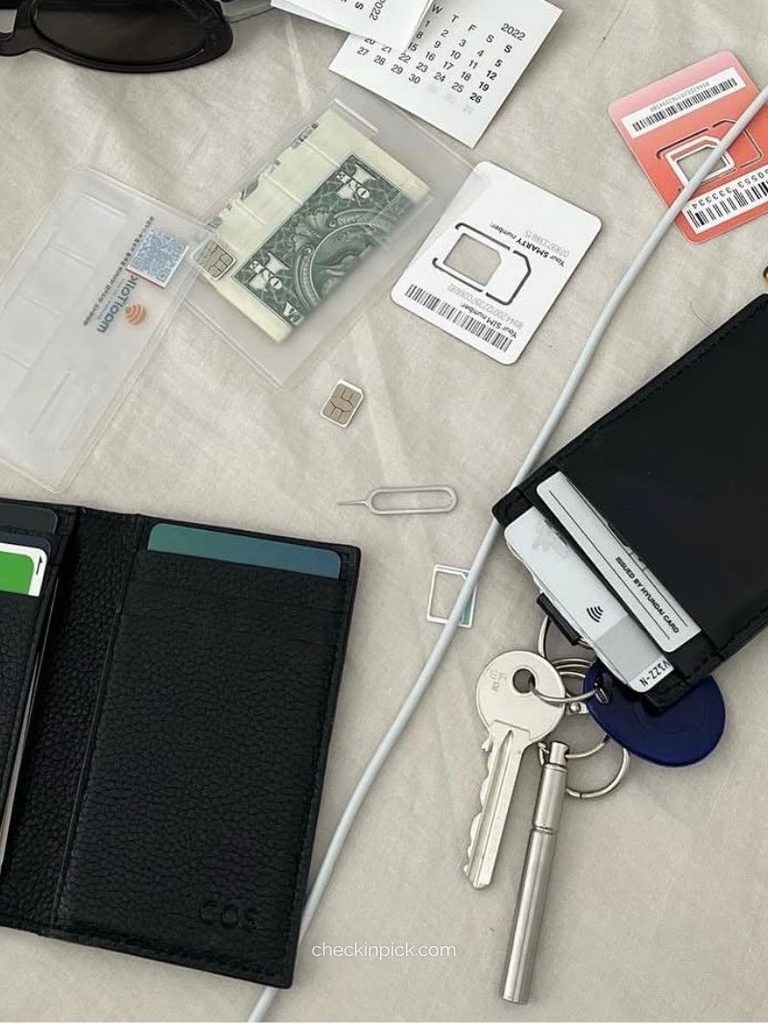
From my own experience, I was able to get through a full day in London with around 1GB of mobile data, even though I was using my phone quite a lot.
I spent most of the day walking around with maps open, listening to music through a streaming service, checking Instagram whenever I felt like it, and searching for places to eat or visit.
I wasn’t particularly trying to save data, either.
I used Google Maps throughout the day, listened to music while walking, browsed Instagram, searched for things on the go, and generally used my phone as I normally would when traveling.
Still, I found that 1GB was enough for the day.
Of course, everyone’s usage is different, so I wouldn’t say that 1GB is a universal answer for every traveler. But it does give you a useful reference point if you’re trying to work out how much data you actually need.
The London Tube: Your Accidental “Digital Detox” Zone
One of the biggest reasons my data usage stayed relatively low was the London Underground.
Mobile coverage is still unavailable in some parts of the Tube, although 4G and 5G coverage is being rolled out across more stations and tunnel sections. In other words, you aren’t continuously scrolling through Instagram, watching videos, browsing websites, or streaming content while you’re underground.
Your phone basically gets a break.
This is worth keeping in mind when estimating your data needs for London.
Think about a typical day. You leave your hotel, use your phone to find your way to the station, check your route, and then get on the Tube. While you’re traveling underground, you’re not really using much mobile data.
You get off, reconnect, check your map again, perhaps look up a café or attraction, and start walking.
Then the same thing happens again when you take the Tube to your next destination.
So although you may feel like you’re using your phone all day, your actual mobile data usage is often limited to the time you’re above ground.
That is quite different from spending an entire day somewhere with a constant mobile connection.
Don’t Calculate Data Usage as If You’re Online 24/7
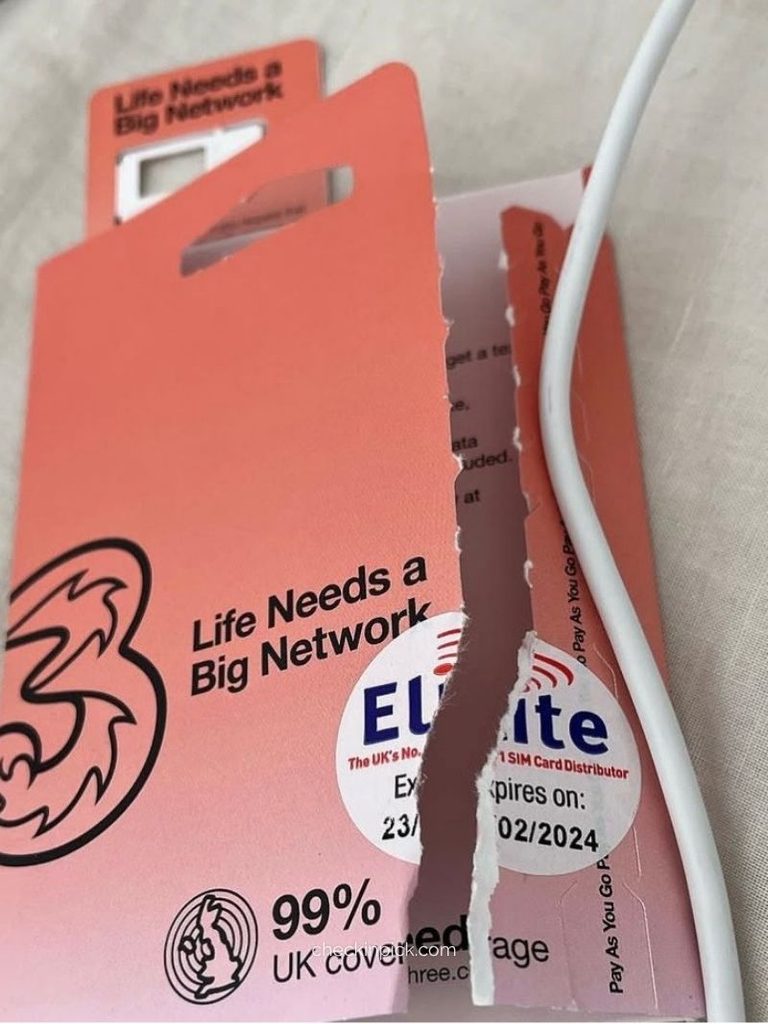
This is probably the easiest mistake to make when choosing a London eSIM.
You might think:
“I’m going to be using Google Maps all day, so I must need a lot of data.”
But “using Google Maps all day” doesn’t necessarily mean your phone is constantly downloading large amounts of data.
The same applies to music streaming.
Listening to music while walking around London does use data, but it is generally nowhere near as demanding as watching video.
Instagram can be a little different, particularly if you’re watching a lot of Reels or other video content. But even then, your overall usage depends heavily on how much time you spend actually connected to the mobile network.
That’s why I think it makes more sense to look at how you travel around London, rather than simply counting how many hours you’ll have your phone in your hand.
The 1GB-a-Day Rule: What My Feet (and Phone) Taught Me
For a typical London sightseeing trip, I’d use the following as a rough starting point:
- Light user: around 500MB–1GB per day
- Average traveler: around 1–2GB per day
- Heavy social media/video user: 2GB+ per day
Personally, I’d put myself somewhere in the middle, yet around 1GB a day worked perfectly well for me.
If you’re visiting London for five days, for example, a 5GB plan could be enough if your usage is similar to mine. If you don’t want to think about your data at all, going a little higher gives you some extra breathing room.
And if you’re someone who spends a lot of time watching YouTube, TikTok, Netflix, or Instagram Reels while traveling, I’d definitely allow for more.
The important thing is not to assume that you need a huge amount of data simply because you’re traveling.
Your Daily Routine Matters More Than You Think
Two people can spend the same seven days in London and use completely different amounts of data.
One person might spend most of the day walking, checking Google Maps occasionally, listening to music, and taking the Tube between neighborhoods.
Another might sit in cafés watching YouTube, upload videos throughout the day, use a hotspot for a laptop, and stream movies at night.
They may both be “using their phones all day,” but their data consumption will be nowhere near the same.
So before buying an eSIM, think about what your actual day will look like.
Will you mostly be walking and sightseeing?
Will you be taking the Tube several times a day?
Do you usually download music or podcasts before traveling?
Are you planning to watch a lot of video?
Will your hotel have Wi-Fi?
These questions will give you a much better idea of how much data you’ll need than simply choosing the biggest package available.
One More Thing: Download Before You Go
There are also a few easy ways to reduce your mobile data usage without constantly worrying about it.
Downloading offline maps before leaving your hotel can be useful, especially if you’re visiting several areas of London. You can also download playlists or podcasts before heading out if your music service supports offline listening.
Hotel Wi-Fi is another simple one. If you’re going to spend some time scrolling through social media, downloading content, or backing up photos, doing it over Wi-Fi can save a surprising amount of mobile data.
And if your phone automatically backs up every photo and video as soon as you take it, check whether it is using mobile data. A few days of taking travel photos and videos can add up much faster than you might expect.
The Bottom Line
There isn’t one perfect data allowance for every London traveler.
But based on my own experience, 1GB a day was enough for a full day of walking around London, using maps, listening to streamed music, browsing Instagram, and searching for places along the way.
The London Underground was a big part of that. Since you often have little or no usable internet connection while traveling underground, you’re naturally spending a good portion of your journey offline.
So when you’re working out how much data you need for London, don’t imagine yourself being connected every minute of the day.
Think about the moments when you’ll actually be online.
For many travelers, that simple change in perspective may mean you need considerably less data than you initially thought.
Before You Land: Pick Your SIM
For most visitors, an eSIM is the easiest option, since you can activate it before arriving in London without visiting a shop or swapping your existing SIM card. If you’re staying for several weeks or need a local UK phone number, though, a physical SIM from EE, Vodafone, Three, or O2 often works out better value.
In short: choose an eSIM for instant activation and convenience on a short trip. Choose a physical SIM if you’re staying longer, expect to use a lot of data, or want a UK number for calls and texts. Skip international roaming altogether unless your home carrier already includes a genuinely good UK travel plan, since standard roaming charges add up fast.
eSIM vs. Physical SIM: Which One Won’t Drive You Crazy?

The biggest decision isn’t which mobile network to pick. It’s whether you go with an eSIM or a physical SIM card. Both connect to the same UK networks, so the real differences come down to convenience, setup, and flexibility.
| Feature | eSIM | Physical SIM |
|---|---|---|
| Activation | Before arrival or instantly online | Buy and insert after landing |
| SIM swap required | No | Yes |
| Keep home SIM active | Yes, on most dual SIM phones | Usually no |
| UK phone number | Usually not included | Usually included |
| Best for | Short trips, convenience | Longer stays, heavy data use |
eSIM
An eSIM is a digital SIM installed by scanning a QR code or downloading a plan straight to your phone. There’s no physical card to insert, so you can set it up before your flight and have mobile data working the moment you land.
Most eSIM plans are data-only, meaning you typically won’t get a UK phone number. For most tourists that’s not a real problem, since apps like WhatsApp, iMessage, and FaceTime run entirely over mobile data anyway.
Physical SIM
A physical SIM works the traditional way. You buy it at the airport, a mobile phone shop, or a supermarket, then insert it into your phone. Many prepaid UK SIM cards come with a local phone number plus calls, texts, and data, which matters if you’re staying for several weeks or need a UK number for reservations or local services.
EE, Vodafone, and Three: Cutting Through the UK Network Hype
All four major UK networks, EE, Vodafone, Three, and O2, cover London reliably. The differences show up more if you’re traveling further afield or using heavy amounts of data.
| Network | Coverage | Best for |
|---|---|---|
| EE | Excellent, widest nationwide reach | Reliability across the whole UK, not just London |
| Vodafone | Excellent | Balanced performance, strong international reputation |
| Three | Very good, fastest 5G speeds in recent UK benchmarks | Large data allowances at competitive prices |
| O2 | Very good | Stable coverage and frequent travel deals |
If you’re looking into SIM cards or eSIMs for your trip to the UK, you’ll probably come across names like Vodafone, Three, and EE pretty quickly. There’s one recent change worth knowing about: Vodafone and Three merged in 2025 to form VodafoneThree. Vodafone currently owns 51% of the company, while CK Hutchison owns the remaining 49%.
That doesn’t mean Vodafone and Three have suddenly become one brand for customers, though. Both brands are still operating separately, while their networks are gradually being integrated. In areas where the network integration has already been completed, customers can benefit from access to both networks, which should help improve coverage.
So, which one is actually the fastest?
Well, it’s not quite that simple. According to Opensignal’s January 2026 UK report, Three came out on top for 5G speed. However, EE ranked first for both overall Download Speed Experience and Upload Speed Experience. In other words, there isn’t really one network that wins every speed category. It depends on what kind of performance you’re looking at.
For most travellers, though, this probably isn’t something to overthink — especially if you’re mainly staying in central London. The differences between networks may matter less than some of the more practical things, such as how much the SIM costs, how much data you get, and whether you’d rather use an eSIM or a physical SIM.
Think about how you’ll actually use your phone during the trip. If you’ll mostly be using Google Maps, checking restaurant reviews, messaging friends, booking tickets, and occasionally posting photos, you probably don’t need to chase the absolute fastest 5G connection. On the other hand, if you’re planning to stream a lot of video or use your phone as a hotspot for a laptop, it’s worth paying more attention to both speed and data allowance.
So when choosing a UK SIM, I wouldn’t focus too much on finding the single “fastest” network. The best option is really the one that fits your trip. For a short London stay, a reasonably priced plan with plenty of data — and an eSIM you can install before you even leave home — may be far more useful than squeezing out a little extra speed.
Best eSIM Providers for London Tourists

If convenience matters most, an eSIM is generally the better call. You can buy and activate it ahead of time, so your phone connects to a UK network almost as soon as you land, with no shop visit and no swapping your existing SIM.
| Provider | Typical plans | Best for |
|---|---|---|
| Airalo | Small to medium data packages | Budget-conscious travelers |
| Nomad | Flexible plans, various data sizes | Short and medium trips |
| Holafly | Unlimited data plans | Heavy data users |
| Saily | Competitive pricing, easy setup | General sightseeing and city travel |
Why travelers pick an eSIM
You can activate the plan before leaving home, keep your existing SIM in place for calls or verification codes on a dual SIM phone, and start using Google Maps, Uber, and WhatsApp the moment you land. Most travel eSIMs are data-only, so if you specifically need a UK phone number, a physical SIM is the better fit.
Before buying, check that your phone supports eSIM, is unlocked, and allows dual SIM if you want your home number to stay active alongside it.
How to Buy a SIM at Heathrow Without Getting Ripped Off
Physical SIM cards are easy to find, both right at the airport and throughout the city.
Heathrow Airport
Heathrow is the fastest option if you want a SIM the moment you land. Most terminals have WHSmith, InMotion, and SIM Local kiosks selling prepaid SIMs, and official network stores are available in some terminals too, covering EE, Vodafone, Three, and O2. The trade-off is price: Airport SIMs can be more expensive than comparable plans bought in central London.
Mobile network stores in central London
Official EE, Vodafone, Three, and O2 stores around Oxford Street, Covent Garden, Victoria, and King’s Cross are usually the best value, and staff can activate the SIM and recommend a plan on the spot.
Supermarkets and convenience stores
Prepaid SIM starter packs, sometimes for just a few pounds, are widely sold at Tesco, Sainsbury’s, Asda, Argos, Currys, WHSmith, Boots, and most convenience stores with a mobile top-up sign.
Do you need ID?
In most cases, no. You typically don’t need a passport or any identification to buy a UK prepaid SIM. Choose your network, pay, insert the SIM, and activate it following the instructions in the pack.
The Bottom Line: How Much Should You Actually Spend?
| Data | Typical price |
|---|---|
| 10-20 GB | £10-15 |
| 30-50 GB | £15-20 |
| Unlimited data | £20-35 |
Most prepaid plans are valid for 30 days, which covers the length of almost any holiday. If you’re staying more than a few weeks or need a local UK number, a physical SIM usually works out better value than a travel eSIM over that stretch of time.
eSIM or Physical SIM, Which Should You Choose?
| If you… | Best option |
|---|---|
| Are taking a short trip to London | eSIM |
| Use a lot of mobile data | Unlimited eSIM |
| Need a UK phone number | Physical SIM |
| Are staying longer than a month | Physical SIM |
For most tourists spending 3 to 10 days in London, an eSIM is the simplest solution. For longer stays or if you need local calls and texts, a prepaid physical SIM tends to offer better overall value.
Hopefully, this guide has helped you choose the best SIM card for London tourists based on your travel style.
Quick Answers Before You Panic and Buy the Wrong Plan
Can I use my existing SIM card in London?
Yes, as long as your carrier offers international roaming, though standard roaming charges can be expensive unless your home plan already includes UK data. A local SIM or eSIM is usually much cheaper.
Will my phone work with a UK SIM card?
Most modern smartphones will, as long as they’re unlocked. If your phone is locked to your home carrier, you may need to unlock it first before a UK SIM or eSIM will work.
Do I need a UK phone number?
Not necessarily. Most tourists mainly rely on WhatsApp, Google Maps, Uber, and email, all of which only need mobile data. A data-only eSIM covers that just fine.
How much mobile data do I need?
As a rough guide: 5-10 GB suits light browsing, messaging, and navigation. 10-20 GB covers most tourists using maps, social media, and occasional video streaming. Unlimited data is worth it if you stream video often, upload a lot of photos, or use your phone as a hotspot.
Can I activate an eSIM before arriving in London?
Yes, and it’s one of the biggest advantages of going the eSIM route. Install it before your flight, switch it on after landing, and you’re online almost immediately without visiting a shop.
Confession Time: I Survived a Whole Month on 30GB (And Barely Tried)
When I first went to London, I assumed I’d need a pretty big data plan. I didn’t want to run out halfway through the trip and then have to worry about finding Wi-Fi or topping up.
But once I was actually there, I realized I was using way less data than I expected. Some days I barely used any at all.
I ended up using around 30GB for the whole month, and honestly, that was plenty. I wasn’t really trying to conserve data either. I used Google Maps when I needed it, looked things up, messaged people, checked things here and there. I just wasn’t on my phone constantly. I also didn’t use it as a hotspot for my laptop.
Obviously, if you’re watching YouTube or Netflix a lot, using your phone to hotspot your laptop, or backing up loads of photos to the cloud, you might need more.
One thing I actually liked about London was that I didn’t feel the need to have my phone out all the time. I’d check where I was going, put it back in my pocket, and keep walking. Sometimes I wouldn’t look at it again for ages.
So if you’re only going for a few days or a couple of weeks, I wouldn’t automatically go for one of those huge data plans. For me, 30GB was more than enough.
Planning your London trip? These guides may also help:
- London Underground Guide: How to Ride the Tube (Beginner’s Guide)
- Oyster Card vs Contactless in London: Which Is Better for Tourists?
- London Travel Budget: How to Enjoy a Smart & Affordable Trip?
- Where to Stay in London for a Short Trip: Top Picks for First-Time Travelers

Welcome to CheckinPick. We create practical travel guides for visitors planning trips to London and other destinations.
Our editorial team focuses on useful, up-to-date information about transportation, accommodation, attractions, fares and travel planning. We research information using official sources and reputable travel resources, and we update our guides when important details change.
Our goal is to make travel information easier to understand and more useful for real-world trip planning.