
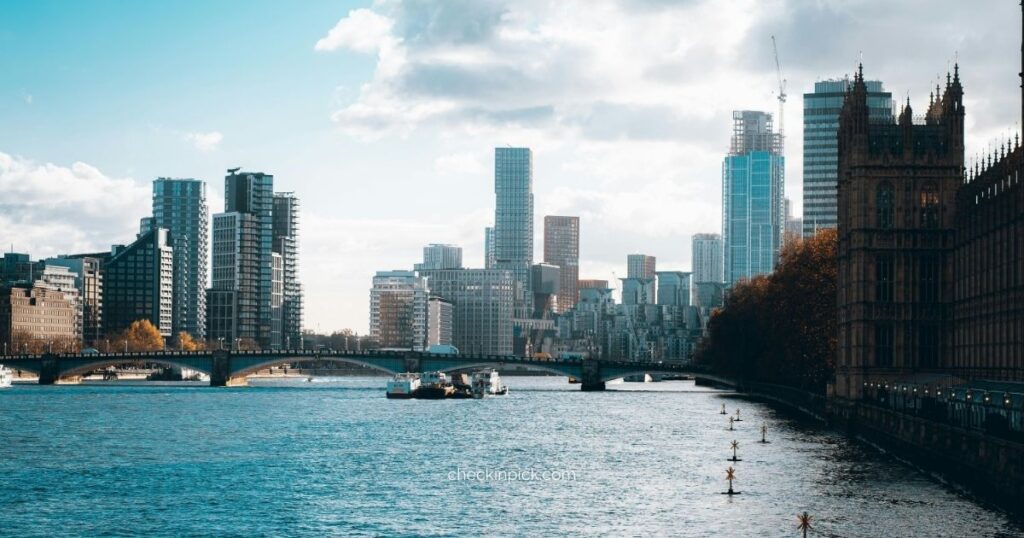
What Does a Trip to London Really Cost?
Planning a trip to London? Understanding your London travel budget before you book can help you avoid unexpected expenses and make smarter decisions throughout your trip.
While London has a reputation for being expensive, the reality is that it can accommodate almost every type of traveler. Whether you’re backpacking on a tight budget, planning a comfortable mid-range vacation, or looking for a luxury experience, your overall costs depend largely on where you stay, how you get around, and the activities you choose.
This guide covers the typical costs of visiting London, from accommodation and transportation to food, attractions, and everyday expenses.
You’ll also find practical ways to reduce costs without missing the experiences that make London one of the world’s most rewarding destinations.
If you’re still deciding when to visit, our Best Time to Visit London: Month-by-Month Guide explains how prices and crowds vary throughout the year, helping you plan a trip that matches both your schedule and your budget.
If I were planning a first trip to London again, I wouldn’t try to save equally on everything. I’d spend more on accommodation and location, keep transportation simple with contactless payment, and use London’s free museums and parks to balance out the expensive attractions.
A Quick Look at Typical London Travel Costs
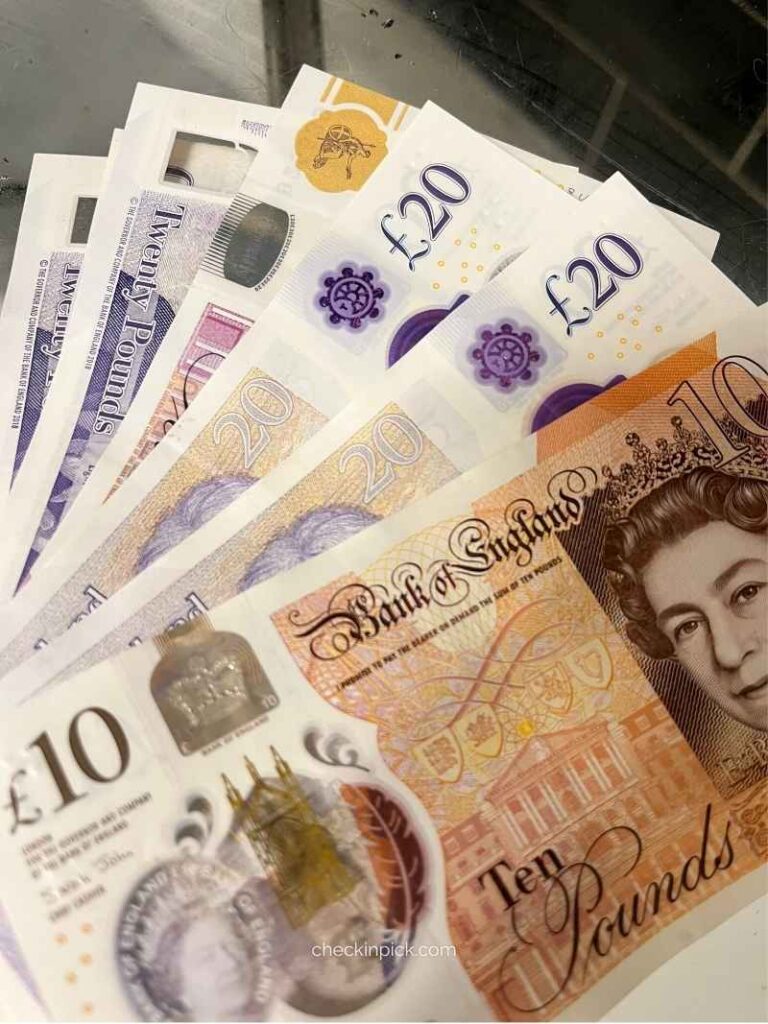
You don’t need to carry a large amount of cash in London. Most everyday expenses can be paid by contactless card, so I’d keep cash as a backup rather than relying on it for daily spending.
The estimates below are based on a daily budget that includes accommodation, transportation, food, and sightseeing. International flights and shopping are excluded.
| Travel Style | Estimated Daily Budget |
|---|---|
| Budget | £100–£150 per Day |
| Mid-range | £300–£350 per Day |
| Luxury | £650+ per Day |
Your actual spending will depend on factors such as hotel location, dining preferences, attraction tickets, and the season you visit.
A £100 daily budget can work in London, but it leaves relatively little room for flexibility, especially if you’re staying in Central London. For a first-time visitor, I’d treat £100 as a tight budget rather than a comfortable one.
I wouldn’t automatically choose the cheapest hotel simply because it’s outside Zone 1. If you’re sightseeing every day, a slightly cheaper room may not feel like a better deal if it adds significant commuting time to your itinerary. For some short trips, staying closer to Central London can be worth paying a little more for the convenience. For longer stays, however, a well-connected neighborhood outside Zone 1 may offer a better balance between accommodation costs and transportation.
Accommodation is usually the largest expense during a London trip. Choosing the right neighborhood can help you manage both your budget and travel time. Before booking, read our Where to Stay in London for a Short Trip: Top Picks for First-Time Travelers to compare the best areas for different budgets.
So, Is London Actually as Expensive as People Say?
Compared with many European cities, London can be expensive, but I don’t think you need a huge budget to enjoy a first visit. The part I’d plan most carefully is accommodation. Once your hotel is paid for, it’s surprisingly easy to keep daily sightseeing costs under control by walking between nearby areas, using free museums, and limiting paid attractions to the ones you actually care about.
Unlike cities where high prices can affect nearly every part of your trip, London is easier to budget for because you don’t have to pay every time you want to do something. On one day, I might spend more on a major attraction and a good dinner, then spend the next day walking through neighborhoods and visiting free museums. That balance makes it easier to enjoy London without feeling like you have to watch every pound.
What Your Daily Spending Might Look Like in London
Your daily expenses depend largely on your travel style.
Budget Travel (£100–£150 per Day)
Budget travelers typically stay in hostels or affordable accommodation, often outside Central London, use public transportation, eat at casual cafés or markets, and focus on free attractions.
A typical daily budget includes:
- Budget accommodation
- Public transportation
- Casual meals
- Free museums and parks
- Occasional inexpensive paid attractions
If you’re planning to explore London’s many free attractions, don’t miss our Free Things to Do in London: Best Free Attractions, Hidden Gems & Money-Saving Tips, which highlights dozens of experiences that won’t increase your travel costs.
Mid-Range Travel (£300–£350 per Day)
Expect to stay in a comfortable three- or four-star hotel, dine at a mix of restaurants and cafés, use the Underground frequently, and visit several popular attractions.
This budget gives you comfortable accommodations and popular attractions while keeping spending under control.
Luxury Travel (£650+ per Day)
Luxury travelers can expect premium hotels, fine dining, private transportation when needed, and access to London’s highest-end experiences.
While costs vary significantly, London offers an exceptional range of luxury accommodations and dining options.
Where Most of Your London Budget Goes: Accommodation

Accommodation will usually account for the largest share of your London travel budget.
Prices vary depending on:
- Season
- Neighborhood
- Hotel category
- Booking window
- Weekend vs. weekday stays
Typical Hotel Prices in London
| Accommodation | Typical Price |
|---|---|
| Hostel | £30–£70 |
| Budget Hotel | £80–£150 |
| Mid-range Hotel | £150–£300 |
| Luxury Hotel | £400+ |
For a short trip, I usually think in terms of total travel time rather than just the nightly hotel rate. If staying £25 more per night saves me 30–40 minutes of commuting each day, I’d consider that extra cost worthwhile. When comparing hotels, I don’t just check the distance to the city center.
I check the walking time to the nearest Tube station and how many changes I’d need to make to reach the areas on my itinerary. A hotel that looks slightly farther away on a map can actually be more convenient if it has a direct Tube connection.
On a five-night trip, paying an extra £125 can sometimes buy back several hours that I can spend sightseeing instead. I’d rather stay near a well-connected Tube station than choose a hotel simply because it has the lowest nightly rate.
I also find that walking can make a London itinerary feel less rushed. Instead of treating the Tube as the default between every attraction, I’d group nearby sights together and walk between them. This is especially useful around Westminster, Covent Garden, South Bank, and the City, where several interesting stops can be combined into the same walking route.
For popular travel dates, booking several months in advance can give you more choice, although the best timing varies by season and demand.
Getting Around London: What You’ll Pay
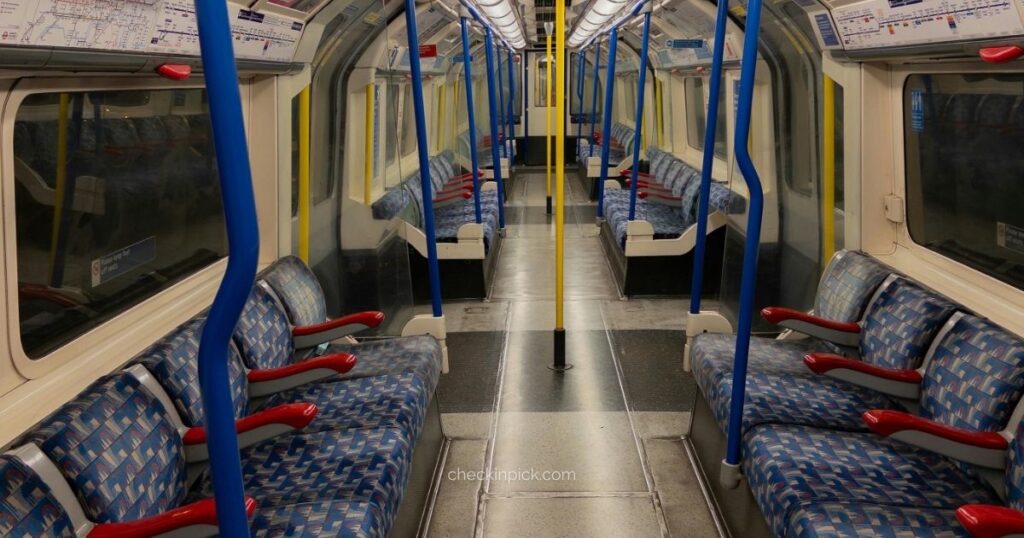
Getting around London is relatively straightforward thanks to its extensive public transportation network. Daily fare caps can also make transportation costs easier to predict during your trip.
If you’re planning to rely on the Tube, buses, and trains, public transportation offers the best value compared with taxis or ride-hailing services.
If you’re new to London’s transit system, our London Underground Guide: How to Ride the Tube (Beginner’s Guide) explains how the network works and how to travel efficiently between major attractions.
The Tube, Buses, and the Easiest Way Around the City
One thing I wouldn’t do is automatically take the Tube for every short journey. Before tapping in, I’d check the walking time first. If the journey is around 15–20 minutes on foot, walking can be just as convenient once you factor in the time needed to reach the station, go through the gates, and walk back to street level at the other end.
Oyster or Contactless? The Choice Most Visitors Have to Make
Most international travelers can simply tap a contactless credit card or mobile wallet when using public transportation. However, an Oyster Card may still be a better option for some visitors depending on their payment method or travel plans.
If you’re unsure which is right for you, read our Oyster Card vs Contactless in London : Which Is Better for Tourists? for a detailed comparison of costs, convenience, and who should choose each option.
Before your trip, check whether your credit card charges foreign transaction fees. Even if contactless payment is the easiest option, those extra fees can increase your overall travel budget.
Getting From the Airport to London: Don’t Forget This Cost
Don’t forget to include the cost of getting between Heathrow Airport and central London. Several transportation options are available, including express trains, the Elizabeth line, the Underground, and taxis.
If you’re arriving at Heathrow, our Heathrow to Paddington Train: The Ultimate Perfect Guide explains one of the fastest ways to reach central London.
Eating in London: From Supermarket Deals to Fine Dining
Food is one of the easiest parts of a London budget to control. I wouldn’t try to eat cheaply at every meal; instead, I’d keep breakfast and lunch relatively simple and save the budget for one proper dinner. You can enjoy excellent meals without spending a fortune, or indulge in Michelin-starred restaurants if you’re celebrating a special occasion.
Eating Well Without Spending Much

Budget-friendly options include:
- Meal deals from supermarkets
- Bakeries
- Fast-casual restaurants
- Street food markets
- Takeaway cafés
The Everyday London Meal: Pubs, Cafés, and Casual Restaurants
Many visitors choose a mix of cafés, pubs, and casual restaurants.
Typical choices include:
- Traditional British pubs
- Italian restaurants
- Asian cuisine
- Burgers
- Brunch cafés
This approach offers a good balance between variety and affordability.
If a Special Dinner Is Part of the Plan

London is home to a huge range of upscale restaurants, including numerous Michelin-starred establishments.
If fine dining is part of your itinerary, be sure to reserve well in advance, especially during weekends and holiday periods. However, you don’t necessarily need to spend a lot to have a memorable steak dinner in London. If you’re looking for a steak dinner without turning it into a £100+ night, Flat Iron is one place I’d consider. It’s more casual than a traditional fine-dining restaurant, which is actually part of the appeal for me.
One fun detail is that after your meal, Flat Iron gives you a small knife-shaped token that you can exchange for a complimentary ice cream. It’s a small touch, but it makes the experience feel a little more memorable.
For a first visit, I’d rather have one memorable dinner at a place like Flat Iron than spend more on several average meals near major tourist attractions.
My preferred approach is fairly simple: a quick breakfast, a reasonably priced lunch while sightseeing, and a proper dinner somewhere I actually want to try. I find this easier than setting the same food budget for every meal. If I know I’ll spend more on dinner, I don’t feel guilty about picking up a supermarket meal deal or a bakery lunch earlier in the day. For me, that gives the budget more value than eating inexpensive food at every meal.
Coffee & Drinks
Coffee, tea, bottled water, and soft drinks can quickly add up over several days. A simple way to reduce costs is to carry a reusable water bottle and refill it throughout the day, as London’s tap water is safe to drink.
Attraction Costs in London
One of the biggest advantages of visiting London is the wide variety of attractions available at different price points. Some of the city’s most famous experiences are completely free, while others require advance ticket purchases.
Free Attractions
London offers an impressive number of attractions that don’t require an admission ticket.
Popular free experiences include:
- British Museum
- Hyde Park
- St. James’s Park
- Notting Hill
- Covent Garden
- Sky Garden (reservation required)
- Changing of the Guard (viewing is free)
If you’re looking to maximize your budget, our Free Things to Do in London 2026: Best Free Attractions, Hidden Gems & Money-Saving Tips includes even more ideas for enjoying the city without spending money.
Paid Attractions
Some of London’s most iconic attractions charge admission.
Examples include:
- Tower of London
- London Eye
- Westminster Abbey
- Kensington Palace
- The Shard
- Buckingham Palace (summer opening)
Visiting several paid attractions in a short period can significantly increase your travel budget.
Will a Sightseeing Pass Actually Save You Money?
A sightseeing pass may offer good value if you plan to visit multiple paid attractions over two or three consecutive days.
However, if your itinerary focuses mainly on free museums, parks, and neighborhoods, purchasing individual tickets may be the better choice.
I wouldn’t buy a sightseeing pass until I had written down the attractions I actually wanted to visit. It’s easy to look at the headline discount and assume you’re saving money, but a pass isn’t a bargain if you end up visiting attractions you wouldn’t have paid for otherwise.
Before buying a sightseeing pass, list every attraction you actually plan to visit. Comparing the combined ticket prices with the cost of a pass is the easiest way to determine whether it will save you money.
Simple Ways to Spend Less Without Missing London
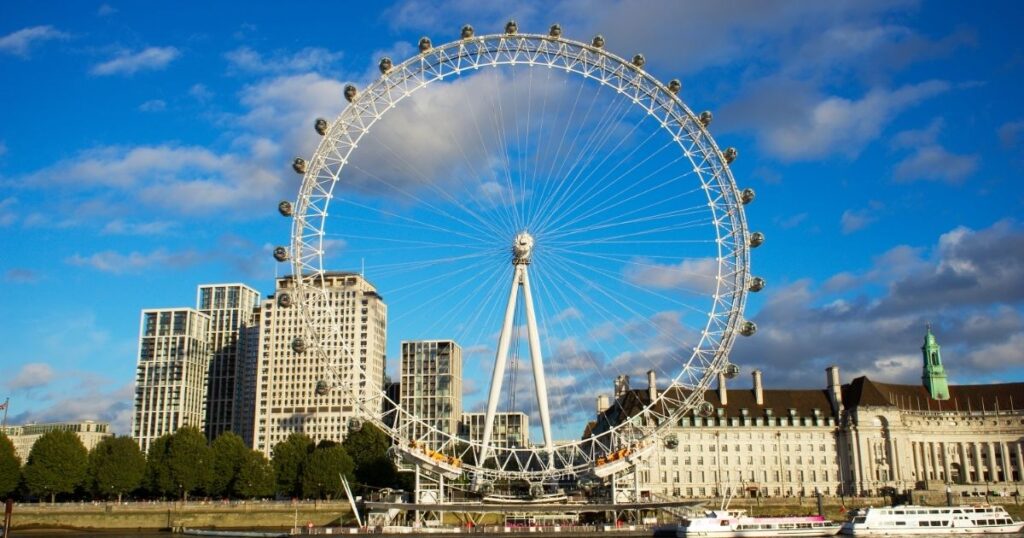
You don’t need a luxury budget to enjoy London. These practical tips can help you spend less while still getting the most out of your visit.
Stay Slightly Outside Central London
Hotels in areas just outside the busiest districts often offer better value while remaining well connected by public transportation.
Walk More—London Is More Walkable Than It Looks
Many of London’s most famous landmarks are surprisingly close together.
One thing I noticed while living in London was that there were quite a few times when a destination was only a 20-minute walk away, yet taking the Tube would also take around 20 minutes. So I often chose to walk instead.
But I wouldn’t try to save money by walking everywhere, though. London is bigger than it looks, and after several hours of sightseeing, a short Tube ride can be worth the cost. My approach would be to walk between attractions that are close together and use public transportation when the journey would take more than about 20–30 minutes on foot.
Let Free Attractions Balance Out the Expensive Ones
For a five-day first trip, my approach would be to choose two or three paid attractions that I genuinely care about and build the rest of the itinerary around free experiences. I find this works better than trying to visit every famous attraction simply because it’s on a tourist checklist. For example, I’d rather spend an afternoon exploring the British Museum and nearby streets, then use the money saved on another ticket for a dinner I’d actually look forward to.
This also gives the itinerary some breathing room. London can be tiring when every morning starts with a timed ticket and every afternoon involves rushing to the next attraction. Leaving a few open periods for walking, museums, parks, or simply exploring a neighborhood is part of what makes the trip enjoyable for me.
Pick Your Travel Dates Carefully
Visiting during spring or autumn can offer a good balance of weather, crowds, and accommodation prices, although costs vary by specific dates and events.
If you’re deciding when to book your trip, our Best Time to Visit London (2026): Month-by-Month Guide compares each season to help you choose the best time based on your priorities.
Sample 5-Day Spending Breakdown
How I’d Actually Build a Five-Day London Budget
If I were planning my own five-day London trip, I wouldn’t start by deciding how much I want to spend on food or attractions. I’d start with accommodation, because that’s the expense that’s hardest to change once the trip begins.
I’d then look at my itinerary and choose a hotel with a convenient Tube connection rather than simply choosing the cheapest room. After that, I’d set aside a fixed amount for transportation and two or three paid attractions. Whatever remains would become my flexible food and activity budget.
I prefer this approach because it gives me some room to change plans. If I find an interesting restaurant while exploring, I can spend a little more on dinner without worrying that I’ve already used too much of my attraction budget.
The following is an example of how a five-day mid-range trip might be divided across major expenses. It is not a fixed total, and actual spending can fall outside these ranges depending on your hotel and itinerary.
This breakdown assumes five nights of accommodation and five days of daily expenses, excluding international flights and shopping.
| Expense | Budget | Mid-range | Luxury |
|---|---|---|---|
| Accommodation (5 nights) | £150–£350 | £850–£950 | £2,000+ |
| Transportation | £40–£60 | £50–£70 | £80+ |
| Food & Drinks | £200–£300 | £400–£450 | £800+ |
| Attractions | £50–£150 | £200–£280 | £400+ |
| Estimated Total | £440–£860 | £1,500–£1,750 | £3,280+ |
When I checked hotel options for my own London planning, I found DoubleTree by Hilton London – Tower of London at around £135 per night. Prices can vary considerably depending on the dates, so I wouldn’t use one hotel as a benchmark for the entire city.
If I were planning a five-day first trip, I’d prioritize accommodation and location first, transportation second, and paid attractions third. Once those three are under control, food and sightseeing become much easier to adjust around the remaining budget.
Use these estimates as a starting point when planning your budget, since actual costs vary by season and travel style.
For most first-time visitors, I’d budget around £300–£350 per day for a comfortable mid-range trip.
Where London Travelers Often End Up Spending More Than Planned

Even travelers with a solid budget can end up spending more than expected. Here are some of the most common mistakes and how to avoid them.
Waiting Too Long to Book Your Hotel
Hotel prices often rise as your travel dates approach, especially during summer, Christmas, and major events. Booking several months in advance usually gives you a wider selection and better rates.
Taking Taxis When the Tube Would Do
London’s taxis are convenient, but frequent rides can quickly become one of the biggest transportation expenses. The Underground and buses are usually faster, especially during peak traffic hours.
Paying Tourist-Area Prices for Every Meal
Restaurants near major attractions often charge higher prices. Walking just a few streets away can lead to better value and a more authentic dining experience.
The Small Expenses That Don’t Make It Into Your First Budget
When planning your budget, don’t overlook expenses such as:
- Airport transfers
- Travel insurance
- Mobile data or eSIM
- Optional service charges or tips
- Souvenirs
- Coffee and snacks throughout the day
These smaller purchases may seem insignificant individually, but they can noticeably increase your total spending over several days.
Before You Set Your London Budget, Here’s What People Usually Ask
How Much Should I Set Aside for Five Days in London?
For most travelers, a mid-range budget of around £1,500–£1,750 for a five-day, five-night trip (excluding flights) is a realistic starting point.
Is London More Expensive Than Paris?
Both cities are among Europe’s most expensive destinations. The overall cost depends on factors such as accommodation, dining, and the activities you choose, but travelers often find the two cities to be comparable.
Can You Really Visit London on a Budget?
Yes. London has many free museums, parks, historic neighborhoods, and viewpoints that make it possible to enjoy the city without spending heavily on attractions every day.
What Usually Takes the Biggest Bite Out of Your Budget?
For most visitors, accommodation is the largest expense, followed by food and attraction tickets. Choosing the right hotel location can help reduce both accommodation and transportation costs.
Is Getting Around London Expensive?
Compared with taxis or ride-hailing services, London’s public transportation offers excellent value. Using the Tube and buses is usually the most cost-effective way to travel around the city.
Do You Actually Need to Carry Cash in London?
Most businesses in London accept contactless card payments, and many travelers rarely need cash during their trip. However, carrying a small amount of British pounds can still be useful in certain situations.
How Much Should You Budget for London?
Setting a realistic London travel budget before your trip makes planning easier and helps you avoid unexpected expenses.
While London is often considered an expensive destination, thoughtful planning can make it surprisingly accessible for a wide range of travelers.
Accommodation, transportation, food, and attractions will make up most of your expenses, but your total budget ultimately depends on your travel style and priorities.
By booking your hotel early, using public transportation, mixing free and paid attractions, and choosing restaurants wisely, you can experience the best of London without overspending.
Whether you’re visiting for a long weekend or spending five days exploring the city, setting a realistic budget allows you to focus less on costs and more on creating memorable experiences. With the right preparation, you’ll find that London offers memorable experiences across a wide range of budgets.

Welcome to CheckinPick. We create practical travel guides for visitors planning trips to London and other destinations.
Our editorial team focuses on useful, up-to-date information about transportation, accommodation, attractions, fares and travel planning. We research information using official sources and reputable travel resources, and we update our guides when important details change.
Our goal is to make travel information easier to understand and more useful for real-world trip planning.
1 thought on “London Travel Budget: How to Enjoy a Smart & Affordable Trip?”