
Introduction
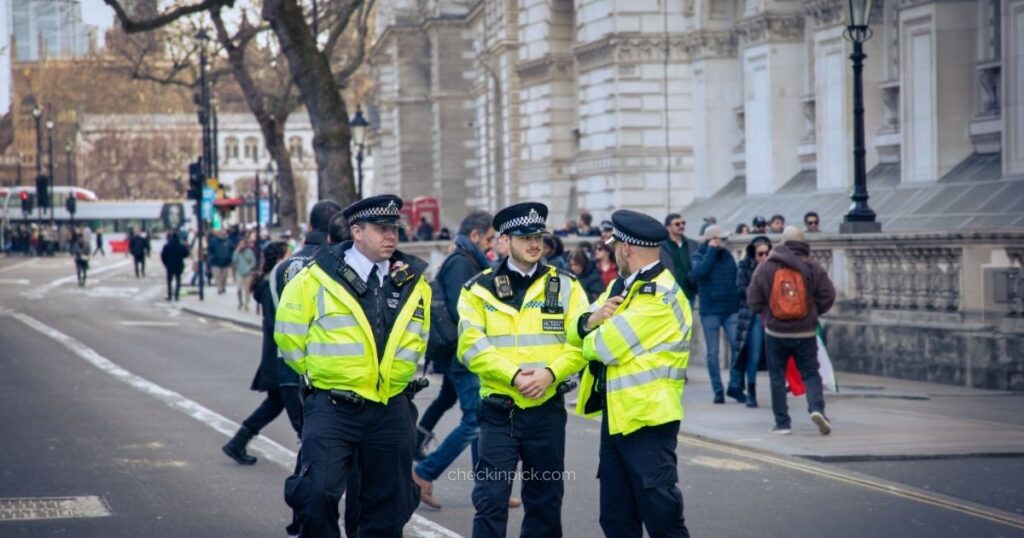
Planning a trip to London and wondering whether it’s a safe destination? London is generally considered a safe destination for tourists, although visitors should remain aware of common risks such as pickpocketing and phone theft.
This guide explains everything you need to know about staying safe in London, from choosing safe neighborhoods and using public transportation to avoiding common tourist mistakes. You’ll also find practical safety tips for solo travelers, families, and first-time visitors.
By the end of this guide, you’ll know what to expect and how to enjoy your London trip with confidence.
Quick Answer
Is London Safe for Tourists?
Yes. London is generally considered safe for tourists, although normal precautions are recommended, as in any major city.
Most visitors experience a trouble-free trip, especially when they take basic precautions such as staying aware of their surroundings, keeping valuables secure, and using licensed transportation.
Here’s a quick overview:
| Question | Answer |
|---|---|
| Is London safe overall? | ✅ Yes, especially in tourist areas |
| One of the most common issues | Pickpocketing in crowded places |
| Is public transport safe? | ✅ Very safe, even for most evening journeys |
| Safe for solo travelers? | ✅ Yes, with normal precautions |
| Safe for families? | ✅ Yes |
While serious crime involving tourists is uncommon, understanding a few local safety tips can help you avoid unnecessary stress and enjoy a smoother visit.
💡 Check-in Pick Insight
Many first-time visitors have questions about safety before arriving in London. In reality, the vast majority of tourist-related incidents involve unattended belongings or pickpocketing in busy locations rather than violent crime. Staying alert in crowded areas is usually all it takes to enjoy a safe trip.
Is London Safe for Tourists Overall? What You Need to Know
London is widely regarded as a relatively safe destination for international visitors compared with many major cities, although crime can still occur.
Most tourist attractions, shopping districts, museums, and public transportation networks are well-maintained, with visible police presence and CCTV in many public areas. Emergency services are also reliable, and English-speaking assistance is readily available if you need help.
That said, London is still a large capital city. Like Paris, New York, or Rome, it experiences petty crime such as pickpocketing, especially in crowded areas. Understanding where these risks are most common and taking a few simple precautions will significantly reduce the chances of encountering problems.
For most visitors, staying aware of your surroundings and keeping your belongings secure is enough to enjoy a safe and memorable trip.
💡 Check-in Pick Insight
Many travelers are surprised by how safe London feels during the day. The biggest challenge isn’t dangerous neighborhoods—it’s staying alert in busy tourist hotspots where distracted visitors can become easy targets for pickpockets.
Crime in London: What Tourists Should Know
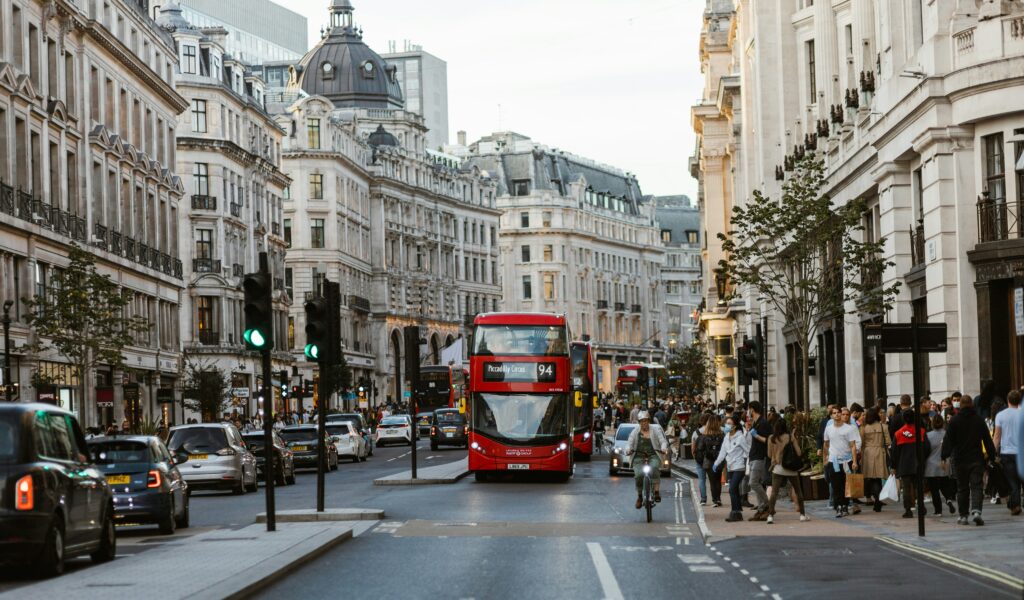
If you’re wondering whether London is safe for tourists, the most common issue visitors face is petty theft rather than violent crime.
Pickpockets typically target crowded places where tourists are focused on sightseeing rather than their belongings. Popular attractions, busy shopping streets, markets, and Underground stations are the locations where you should be most attentive.
Common situations include:
- Crowded Tube platforms during rush hour
- Busy shopping streets like Oxford Street
- Tourist hotspots such as Covent Garden and Leicester Square
- Popular markets including Camden Market and Borough Market
- Outdoor cafés where phones or bags are left unattended
Fortunately, most of these incidents are easy to prevent with a little awareness. Keep valuables in zipped bags, avoid carrying wallets in back pockets, and never leave your phone or bag unattended, even for a moment.
Serious incidents involving tourists are relatively uncommon, and most visitors complete their trip without experiencing any safety issues.
💡 Check-in Pick Insight
Many pickpockets rely on distraction rather than force. Someone asking for directions, creating a commotion, or standing unusually close in a crowd may simply be trying to divert your attention. Staying aware is your best defense.
Safest Areas to Stay in London

Choosing the right neighborhood is one of the easiest ways to enjoy a safer and more convenient trip.
The areas most popular with tourists are generally well-lit, busy throughout the day, and well connected by public transportation. While no neighborhood is completely crime-free, these locations have strong reputations for being comfortable and welcoming for visitors.
Some of the safest and most popular areas include:
- South Kensington: Home to world-famous museums, quiet streets, and family-friendly hotels.
- Notting Hill: A charming residential neighborhood known for its peaceful streets, colorful houses, and relaxed atmosphere.
- Marylebone: An elegant, walkable neighborhood with excellent restaurants, shopping, and convenient transport links.
- Swiss Cottage: A quiet residential area popular with families and long-term residents, offering excellent Underground connections and a calmer atmosphere than central tourist districts.
- Bloomsbury: Known for its museums, universities, and relatively peaceful atmosphere.
These neighborhoods offer an excellent balance of safety, convenience, and easy access to London’s top attractions. If you’re still deciding where to stay, check out our London Neighborhood Guide (2026) for a detailed comparison of each area.
💡 Check-in Pick Insight
Living in London, one thing I’ve learned is that no neighborhood is completely crime-free. Even areas that are considered safe can have quieter streets or locations where you should stay alert.Personally, I recommend Swiss Cottage (Zone 2). It has a calm, residential atmosphere and feels much quieter than many central neighborhoods, while still being only a short Tube ride from central London. One reason I enjoy staying here is the convenience.
The area has a few large supermarkets that are much bigger than those you’ll typically find in Zone 1, making it easy to stock up on groceries. There are also a few Japanese restaurants, Japanese takeaways, and even a Korean grocery store nearby.
If you’re visiting in spring, you’ll also find a small street lined with cherry blossoms, and if you’re up for a walk, Primrose Hill is within walking distance. Just remember that wherever you stay, it’s always worth taking a little time to research the surrounding streets before booking.
Remember that the safest hotel isn’t necessarily the most expensive one. Choosing a well-reviewed hotel near a busy Underground station is often a better option than staying in a luxury hotel that’s far from public transport.
Areas Where Tourists Should Be More Careful
It’s important to remember that no part of London is completely off-limits for tourists, but some areas require a little more awareness, particularly after dark.
Rather than avoiding specific neighborhoods altogether, it’s more helpful to understand when and where you should be extra cautious.
Pay closer attention in:
- Busy transport hubs late at night
- Crowded tourist attractions during peak hours
- Quiet residential streets after dark
- Nightlife districts around closing time
- Isolated parks or poorly lit streets at night
Popular places such as Oxford Street, Leicester Square, Piccadilly Circus, and Camden Market are generally safe to visit, but their large crowds make them attractive to pickpockets.
If you’re exploring the city after dark, stick to well-lit streets, use licensed taxis or public transport, and avoid walking alone through unfamiliar areas.
💡 Check-in Pick Insight
Many visitors mistakenly assume that crowded places are always the safest. In reality, busy tourist areas are where pickpocketing is most likely to occur because distracted visitors are easier targets. Staying aware of your belongings is often more important than worrying about the neighborhood itself.
Common Tourist Scams in London

Although London is generally a safe city, visitors should be aware of a few common scams that target tourists. Most scams are designed to distract you or encourage you to hand over money unnecessarily. Knowing what to expect makes them easy to avoid.
Here are some of the most common scams:
Fake Charity Collections
Some people may approach you on busy streets asking for donations to charities. They often carry clipboards or wear official-looking clothing. If you’d like to support a charity, donate through its official website rather than giving money on the street.
Street Games and Betting Scams
Avoid games such as the “three cups” or “shell game,” where participants appear to win money. These games are rigged, and bystanders who seem to be winning are usually working with the scammer.
Unlicensed Taxis
Never accept rides from drivers who approach you directly outside airports, train stations, or tourist attractions. Instead, use London’s licensed black cabs or book a ride through a reputable app.
Pickpocket Distractions
Some thieves work in pairs or small groups. One person may ask for directions, accidentally bump into you, or create a distraction while another attempts to steal your belongings. Keep your valuables secure and stay alert in crowded places.
💡 Check-in Pick Insight
Living in London, I almost had my phone stolen using a surprisingly simple trick. A child approached my table holding a large leaflet and placed it over part of the table while asking for something.
As the leaflet covered my phone, another person appeared to be reaching underneath it. I noticed what was happening just in time and grabbed my phone before they could take it.
Later, I learned that similar distraction techniques had affected other visitors as well.
If a situation feels rushed or too good to be true, trust your instincts. Most scams rely on catching visitors off guard. Taking a moment to think before responding is often the best way to avoid becoming a target.
How to Stay Safe on Public Transport
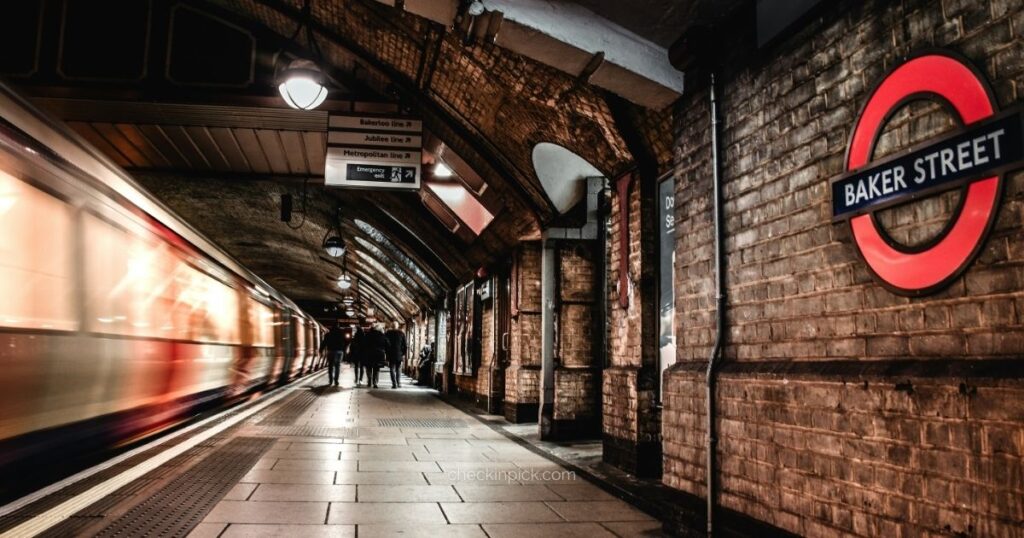
London’s public transportation system is widely regarded as safe, reliable, and easy to use. However, it’s still worth following a few simple safety habits, especially during busy travel periods.
To stay safe while using the Underground, buses, and trains:
- Keep your bag zipped and close to your body.
- Avoid displaying expensive phones, cameras, or jewelry unnecessarily.
- Stay aware of your surroundings on crowded platforms and trains.
- Use the same contactless card or mobile device throughout your journey.
- Stand on the right side of escalators and allow others to walk on the left.
Late at night, choose busier train carriages when possible and wait in well-lit areas of stations. If you ever feel uncomfortable, move closer to other passengers or station staff.
💡 Check-in Pick Insight
Despite its size, the London Underground is considered very safe for tourists. Most problems involve lost property or pickpocketing rather than personal safety. A little awareness goes a long way toward ensuring a stress-free journey.
If you’re traveling between Heathrow Airport and central London, our How to Use the Elizabeth Line in London (2026) guide explains the fastest and most affordable way to get around safely.
Unsure whether to use an Oyster Card or your bank card? Read our Oyster Card vs Contactless in London (2026) guide.
Need an Oyster Card? Our Where to Buy an Oyster Card in London (2026) guide shows the easiest places to purchase one, including Underground stations and Heathrow Airport.
Be Aware of Phone Snatching
Phone snatching has occasionally been reported in busy parts of London, particularly in popular tourist areas. Thieves may use bicycles, e-bikes, or scooters to grab phones from distracted pedestrians before quickly riding away. Phone snatching often happens when visitors are using Google Maps or taking photos near the roadside.
To reduce the risk:
- Avoid using your phone while standing near the edge of the pavement.
- Step inside a shop or away from the roadside if you need to check directions.
- Hold your phone securely when taking photos or using maps.
- Stay aware of your surroundings, especially in crowded tourist areas.
💡 Check-in Pick Insight
Don’t worry! London is safe. I was fortunate never to have my phone stolen, although there were two occasions when someone tried. Once you understand the common patterns, they’re much easier to avoid.
I’ve also heard of similar incidents from other visitors. Some had their phones snatched by thieves riding bicycles who disappeared within seconds. Their phones were stolen by thieves riding bicycles who grabbed the device from their hands and disappeared within seconds. Because of that, I always stay alert whenever I hear a bike approaching while using my phone near the roadside.
If you’re particularly worried about losing your phone during your trip, consider bringing an older spare phone and using it with a UK travel SIM. It can save you a lot of stress if the unexpected happens.
After seeing how quickly phone snatching can happen, I avoid using my phone near the edge of the pavement whenever possible. It’s a small habit that can make a big difference.
Safety Tips for Walking Around London

Walking is one of the best ways to experience London. Many of the city’s famous landmarks are within walking distance of one another, and exploring on foot often leads to unexpected discoveries. While London is generally safe for pedestrians, following a few basic precautions will help you stay comfortable throughout your trip.
Here are some simple safety tips:
- Stay on well-lit streets after dark.
- Avoid walking while staring at your phone for long periods.
- Keep bags zipped and valuables out of sight.
- Be aware of cyclists when crossing bike lanes.
- Follow pedestrian signals and look carefully before crossing the road.
If you’re unfamiliar with an area, using a navigation app such as Google Maps or Citymapper can help you avoid unnecessary detours. For official transport updates and accessibility information, Transport for London (TfL) provides the latest travel guidance.
💡 Check-in Pick Insight
London is a highly walkable city, and many visitors end up walking far more than expected. Comfortable shoes and staying aware of your surroundings will do more for your safety than avoiding popular neighborhoods.
If you plan to explore beyond central London, our How to Use Buses in London (2026) guide explains how to ride London’s buses with contactless payment and Oyster Cards.
Is London Safe at Night?
Yes. London is generally safe for tourists at night, especially in central areas where restaurants, theatres, and public transportation remain busy into the evening.
Popular neighborhoods such as Covent Garden, Soho, Westminster, and South Kensington usually have plenty of people around, making them comfortable places to explore after dark. However, it’s still wise to take the same precautions you would in any large city.
If you’re out at night:
- Stick to busy, well-lit streets.
- Avoid poorly lit parks or isolated shortcuts.
- Use licensed taxis or public transportation if you’re traveling a long distance.
- Keep an eye on your belongings in busy nightlife areas.
- If you’ve been out late, consider taking a taxi instead of walking through unfamiliar neighborhoods.
Most visitors enjoy London’s nightlife without any problems, particularly when they plan their journey back to their accommodation in advance.
💡 Check-in Pick Insight
London doesn’t suddenly become unsafe after sunset. The biggest difference at night is that quieter streets have fewer people around, so using common sense and choosing well-lit routes is usually all that’s needed.
Staying in a central neighborhood can make evening travel easier. See our Where to Stay in London (2026) guide for recommendations.
Is London Safe for Solo Travelers?
London is one of the most popular destinations in Europe for solo travelers and is generally considered a safe city to explore alone.
Whether you’re traveling solo for sightseeing, business, or a longer stay, you’ll find that public transportation is easy to use, tourist areas are well signposted, and English is widely spoken.
Solo travelers can make their trip even safer by:
- Sharing their itinerary with family or friends.
- Staying in accommodations with good reviews.
- Avoiding isolated areas late at night.
- Keeping emergency contact information on their phone.
- Trusting their instincts if a situation feels uncomfortable.
Many solo female travelers find London comfortable to explore while following normal travel precautions.
💡 Check-in Pick Insight
One of London’s biggest advantages for solo travelers is that you’ll rarely feel completely isolated in central areas. Busy streets, frequent public transport, and plenty of cafés make it easy to take breaks and explore at your own pace.
Emergency Numbers and Useful Contacts
Although it’s unlikely you’ll need emergency assistance during your trip, knowing who to contact can provide extra peace of mind.
Here are the most useful emergency numbers and services for visitors:
| Service | Contact |
|---|---|
| Emergency (Police, Fire, Ambulance) | 999 |
| Emergency (Alternative) | 112 |
| Non-Emergency Police | 101 |
| NHS Medical Advice (Non-Emergency) | 111 |
If your passport is lost or stolen, contact your country’s embassy or consulate in London as soon as possible. It’s also a good idea to notify your travel insurance provider if valuable belongings are lost or stolen.
Saving these numbers on your phone before your trip can make it easier to get help if needed.
💡 Check-in Pick Insight
Hopefully, you won’t need any of these services, but spending a minute saving emergency numbers before you travel can save valuable time if an unexpected situation arises.
Common Mistakes Tourists Make
Most visits to London go smoothly, but first-time visitors sometimes make small mistakes that can lead to unnecessary stress or extra expenses. Being aware of these common pitfalls can help you enjoy a safer and more relaxing trip.
Leaving Valuables Unattended
Phones, cameras, and bags are sometimes left on café tables or beside chairs while people eat or take photos. Keep your belongings within sight and securely fastened whenever possible.
Carrying Backpacks on Crowded Transport
Wearing a backpack on your back during busy Tube journeys makes it easier for pickpockets to access pockets and zippers. Consider carrying it in front of you when trains are crowded.
Using Unlicensed Transport
Accept rides only from licensed black cabs or reputable ride-hailing services, especially late at night or when leaving airports.
Ignoring Basic Awareness
Many visitors become so focused on taking photos or following maps that they stop paying attention to their surroundings. Simply staying alert is often the best way to avoid common travel problems.
💡 Check-in Pick Insight
Most tourist incidents in London are preventable. Small habits—such as keeping your bag zipped, staying aware in crowded places, and planning your route in advance—can make a noticeable difference.
Frequently Asked Questions
Is London safe for tourists?
Yes. London is generally considered a safe destination for tourists. Most visitors enjoy their trip without any problems by following basic safety precautions and staying aware of their surroundings.
Is it safe to use the London Underground at night?
Yes. The Underground is generally safe, particularly in central London. If you’re traveling late at night, stay in well-lit areas, choose busier carriages when possible, and keep an eye on your belongings.
What is the biggest safety concern for tourists?
Pickpocketing is the most common issue affecting visitors, especially in crowded tourist attractions, shopping streets, and public transportation.
Is London safe for solo female travelers?
Yes. London is widely considered a safe destination for solo female travelers. Staying in well-reviewed accommodations, using licensed transport, and following normal safety precautions are generally sufficient.
Should I carry cash in London?
Not necessarily. Most businesses accept contactless cards and mobile payments, so carrying only a small amount of cash for emergencies is usually enough.
Final Thoughts

London welcomes millions of visitors each year, and most trips are completed without serious safety issues when travelers follow normal precautions.
While petty theft and common tourist scams can happen, they’re easy to avoid by staying aware of your surroundings, keeping your belongings secure, and planning ahead.
Whether you’re visiting for a weekend or a longer stay, following these simple safety tips will help you explore London with greater confidence and enjoy everything the city has to offer.
If you’re planning your first trip to London, don’t miss our London Travel Tips (2026) guide packed with practical advice on getting around, saving money, and making the most of your visit.
Sources
- Visit London
- Transport for London
- Metropolitan Police

Welcome to CheckinPick. We create practical travel guides for visitors planning trips to London and other destinations.
Our editorial team focuses on useful, up-to-date information about transportation, accommodation, attractions, fares and travel planning. We research information using official sources and reputable travel resources, and we update our guides when important details change.
Our goal is to make travel information easier to understand and more useful for real-world trip planning.