

Introduction
Planning a trip to London is exciting, but it can also feel overwhelming if it’s your first visit. From choosing the right way to pay for public transportation to understanding local customs, a few simple tips can make your trip much smoother.
This guide brings together 25 practical London travel tips that every visitor should know before arriving. You’ll learn how to save money, avoid common mistakes, use public transportation with confidence, and make the most of your time in one of the world’s most visited cities.
Whether you’re staying for a weekend or exploring London for a week, these tips will help you travel more confidently and enjoy your trip from the moment you arrive.
By the end of this guide, you’ll know what to expect before arriving in London and feel much more confident planning your trip.
Quick Answer
London Travel Tips
If you’re visiting London for the first time, remember these essential tips:
| Tip | Why It Matters |
|---|---|
| Use contactless payment | Saves money on public transportation |
| Stay near an Underground station | Makes getting around much easier |
| Book popular attractions early | Avoids long queues and sold-out tickets |
| Carry a portable charger | Helpful for maps and mobile tickets |
| Pack for changing weather | London’s weather can change quickly |
These London travel tips are based on common questions from first-time visitors and practical advice that can help you save time, money, and unnecessary stress. The following sections explain each tip in more detail and include additional advice to help you avoid common mistakes and enjoy a smoother trip.
💡 Check-in Pick Insight
Many first-time visitors focus on seeing as many attractions as possible. In reality, choosing a well-connected hotel and learning how London’s transport system works often has a much bigger impact on your overall trip.
Before You Arrive: Start Your Trip the Right Way
A little preparation before your flight can save both time and money once you arrive in London. Simple tasks like checking your airport transfer, downloading offline maps, and confirming your hotel location can make your first day much less stressful. The following travel tips are worth taking care of before you leave home.
Choose the Right London Airport

Not every London airport offers the same level of convenience. Heathrow is usually the easiest option for international visitors thanks to its excellent public transportation connections, while Gatwick, Stansted, Luton, London City, and Southend each suit different types of travelers.
Choosing the airport that best matches your itinerary can reduce both travel time and transportation costs. If you’re still comparing airports, our London Airports Guide (2026) explains the advantages of each one.
Book Accommodation Near Public Transportation
A cheaper hotel isn’t always the better choice. Staying within a short walk of an Underground or Elizabeth line station often saves more time than staying farther away in exchange for a slightly lower room rate.
Good transportation connections also make early airport transfers and day trips much easier. If you haven’t booked your hotel yet, our London Neighborhood Guide (2026) compares the best areas for different travel styles and budgets.
Check Your Passport and Entry Requirements
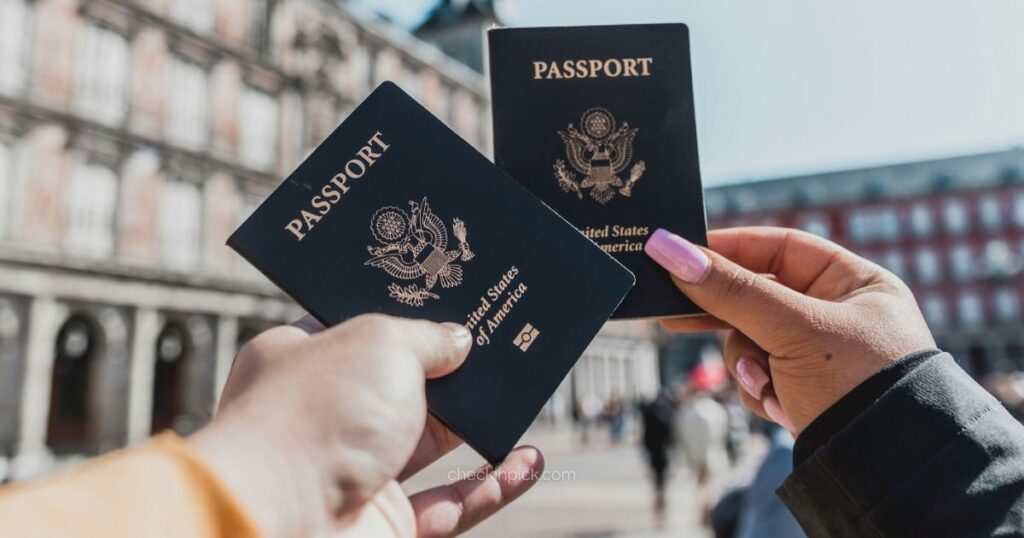
Before traveling, make sure your passport meets the UK’s entry requirements and check whether you need an Electronic Travel Authorization (ETA) or any other travel documents. It’s also a good idea to keep digital copies of your passport, travel insurance, and hotel reservation in case you need them during your trip.
💡 Check-in Pick Insight
Store important travel documents in cloud storage as well as on your phone. If your device is lost or stolen, you’ll still be able to access your booking information from another device.
Download Useful Apps Before You Fly
Having the right apps installed before you arrive can make navigating London much easier.
Consider downloading:
- Google Maps
- Citymapper
- Transport for London (TfL) Go
- Your airline’s app
- A currency conversion app
Downloading offline maps is also useful in case your mobile connection isn’t available immediately after landing.
💡 Check-in Pick Insight
Many Londoners rely on Citymapper for their daily commute because it offers accurate real-time transit information and often suggests the fastest route. It’s a great app to have if you plan to use public transportation throughout your trip.
For a full breakdown of the top tools to download, check out our complete guide on Best Apps for London Tourists (2026): Top 12 Travel Apps.
Pack for London’s Unpredictable Weather

London’s weather can change several times in a single day. Even during summer, it’s worth carrying a light waterproof jacket or a compact umbrella. Comfortable walking shoes are also essential since you’ll likely spend much more time on your feet than expected. Packing layers instead of heavy clothing makes it easier to stay comfortable throughout the day.
For a comprehensive checklist on long-haul flight essentials and clothing tips, check out our London Packing List 2026: Essential Travel Gears for a Long-Haul Flight.
Essential Transportation Tips
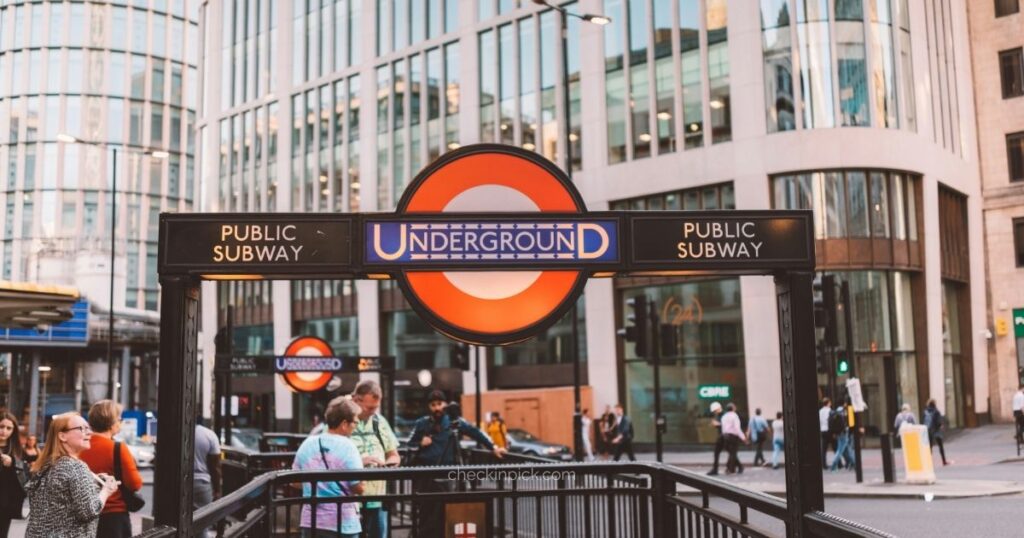
Getting around London is easier than many first-time visitors expect, but understanding a few basics before you arrive can save both time and money.
Use Contactless Payment Instead of Paper Tickets
For most visitors, the easiest way to pay for public transportation is by using a contactless credit card, debit card, or mobile wallet.
Transport for London (TfL) automatically calculates the cheapest daily fare through fare capping, so you don’t need to buy separate tickets for every journey.
Just remember to use the same card or device for every trip so the system can apply the correct daily cap.
💡 Check-in Pick Insight
Many tourists buy paper tickets at the airport without realizing they’re paying much more than necessary. If your card supports contactless payments, simply tap in and out using the same card throughout the day.
For a complete breakdown on payment rules, daily caps, and transit fares, check out our detailed guide on London Underground Guide (2026): Best Ways to Pay for the Tube.
Stand on the Right Side of Escalators
One of London’s unwritten rules is simple:
Stand on the right. Walk on the left.
Ignoring this rule can quickly annoy commuters, especially during rush hour. You’ll hear announcements reminding passengers to stand on the right throughout many Underground stations. Although it may seem like a small detail, following local etiquette helps traffic flow smoothly and makes you blend in with experienced travelers.
Avoid Rush Hour If Possible
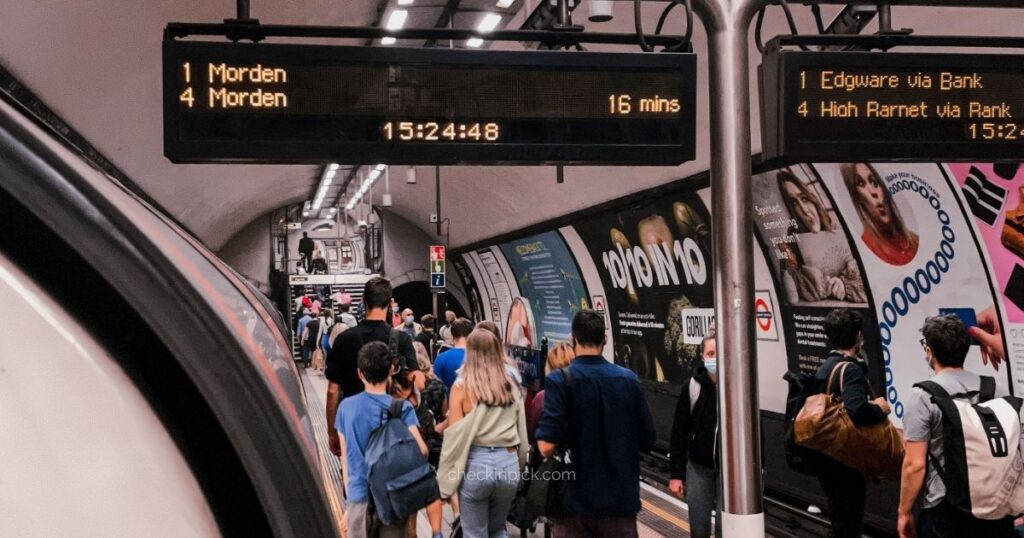
London’s public transportation becomes extremely busy during weekday commuting hours. If your schedule is flexible, try to avoid traveling during:
- Weekday mornings
- Early weekday evenings
Traveling outside peak hours usually means quieter trains, shorter queues, and a more comfortable journey. Families with children and travelers carrying large suitcases will especially appreciate the extra space.
💡 Check-in Pick Insight
If you’re arriving on a weekday morning, consider stopping for breakfast near the station instead of boarding the first crowded train. Waiting even 30 to 45 minutes can make your journey much more comfortable.
If your schedule is flexible, try to avoid traveling during peak hours. Off-peak Underground fares are generally cheaper, and trains are usually much less crowded, making your journey both more comfortable and more affordable.
| Time | Underground Fare |
|---|---|
| Weekdays 6:30 AM – 9:30 AM | Peak fare |
| Weekdays 9:30 AM – 4:00 PM | Off-peak fare |
| Weekdays 4:00 PM – 7:00 PM | Peak fare |
| After 7:00 PM, weekends & public holidays | Off-peak fare |
Keep in mind that the exact fare depends on your journey and the zones you travel through, but traveling outside peak hours is usually the most affordable option for most visitors.
Accommodation Tips

Where you stay can shape your entire London trip. A hotel with good transport connections can save hours of travel time, reduce transportation costs, and make sightseeing much more convenient.
Stay Near an Underground or Elizabeth Line Station
A hotel located just a few minutes from a station can save you hours over the course of your trip. Instead of focusing only on famous neighborhoods, check how easily you can reach major attractions and airports using public transportation. Properties near Elizabeth Line stations are especially convenient because they provide fast connections across London and direct access to Heathrow Airport.
Compare the Total Cost, Not Just the Room Rate
A cheaper hotel isn’t always the better deal.
When comparing accommodation, also consider:
- Transportation costs
- Walking distance to stations
- Breakfast availability
- Airport transfer expenses
Sometimes paying slightly more for a better location actually reduces your overall travel budget.
💡 Check-in Pick Insight
Saving £20 per night on a hotel may seem like a bargain, but spending an extra £15 each day on transportation quickly cancels out the savings. Looking at the total cost of your stay usually leads to a better decision.
Money-Saving Tips

London has a reputation for being expensive, but a few smart decisions can make a noticeable difference to your overall travel budget. Fortunately, a little planning can go a long way, and many of the city’s best experiences don’t have to cost a fortune.
Rather than focusing only on finding the cheapest flights or hotels, look at your total daily expenses. Transportation, food, and sightseeing costs often add up more quickly than many first-time visitors expect.
Take Advantage of Free Attractions
Some of London’s most popular attractions don’t charge an entrance fee.
You can spend an entire day exploring museums, parks, and historic neighborhoods without paying for admission.
Popular free attractions include:
- The British Museum
- National Gallery
- Natural History Museum
- Hyde Park
- St James’s Park
- Sky Garden (advance booking recommended)
Including a few free attractions in your itinerary allows you to balance your budget while still experiencing some of London’s most famous sights.
💡 Check-in Pick Insight
Many visitors assume London’s best attractions are expensive, but some of the city’s most memorable experiences are completely free. Planning a mix of paid and free attractions usually gives you the best value.
📖 Read Next: Best Museums in London (2026): Free & Paid Museums Worth Visiting
Eat Like a Local Occasionally
Dining at restaurants for every meal can quickly increase your travel expenses.
Many London supermarkets sell excellent meal deals that include a sandwich, snack, and drink for a reasonable price.
Popular supermarkets include:
- Tesco
- Sainsbury’s
- Marks & Spencer
- Co-op
Mixing restaurant meals with supermarket lunches helps stretch your budget without sacrificing convenience.
Book Popular Attractions in Advance
Many attractions offer timed entry or discounted online tickets.
Booking ahead can help you:
- Secure your preferred time slot
- Avoid long ticket queues
- Find lower prices
- Reduce the risk of attractions selling out
This is especially helpful during summer holidays and Christmas.
Looking for ways to stretch your budget even further? Check out our complete guide to Free Things to Do in London (2026): Best Free Attractions, Hidden Gems & Money-Saving Tips for a full list of free museums, viewpoints, and local spots.
Food and Dining Tips

London’s food scene is one of the most diverse in the world. From traditional British pubs to international street food markets, there’s something for every budget and taste.
Don’t Limit Yourself to Tourist Restaurants
Restaurants located directly beside major attractions often charge higher prices. Walking just a few streets away can lead to better food, lower prices, and a more authentic local atmosphere.
Neighborhoods worth exploring include:
- Soho
- Covent Garden
- Borough Market
- South Kensington
- Shoreditch
Each area offers a different mix of cafés, pubs, bakeries, and international cuisine.
💡 Check-in Pick Insight
If you notice a restaurant displaying menus in several languages with staff inviting people inside, it’s often aimed at tourists. Walking another five minutes frequently leads to better food at more reasonable prices.
Make Restaurant Reservations for Popular Areas
Restaurants in neighborhoods such as Soho, Covent Garden, and Mayfair can become fully booked during weekends and evenings.
If there’s a particular restaurant you’d like to visit, making a reservation ahead of time can save disappointment.
If you’re planning to visit popular food markets such as Borough Market or Camden Market, arriving before the lunchtime rush usually means shorter queues and a wider choice of food stalls. Weekends can become especially busy from late morning onward.
Sightseeing Tips

Planning your sightseeing route carefully can help you see more while spending less time traveling across the city.
Group Attractions by Neighborhood
Instead of crossing London several times in one day, group nearby attractions together.
For example:
Westminster Area
- Big Ben
- Houses of Parliament
- Westminster Abbey
- St James’s Park
- Buckingham Palace
South Kensington
- Natural History Museum
- Science Museum
- Victoria and Albert Museum
The City of London
- Sky Garden
- Tower of London
- Tower Bridge
- Leadenhall Market
Exploring one area at a time reduces unnecessary Tube journeys and gives you more time to enjoy each neighborhood.
💡 Check-in Pick Insight
Many first-time visitors underestimate London’s size. Visiting attractions in the same neighborhood usually results in a more relaxed day and far less time spent on public transportation.
Leave Time for Unexpected Discoveries
One of the best parts of visiting London is discovering places you didn’t originally plan to visit. Interesting bookshops, hidden courtyards, local cafés, historic pubs, and small markets often become the highlights of a trip. Avoid filling every hour of your itinerary. Leaving some free time allows you to enjoy London at a slower pace and explore neighborhoods more naturally.
Need a ready-to-use route that balances major landmarks with neighborhood strolls? Explore our step-by-step London Itinerary for 3 Days (2026 Guide): The Perfect First-Time London Trip to make the most of your time.
Safety Tips

London is generally a safe city for tourists, but taking a few basic precautions can help you avoid the most common travel problems.
Keep an Eye on Your Belongings
Like any major city, London experiences occasional pickpocketing in busy tourist areas and on public transportation.
Popular locations where you should stay alert include:
- Oxford Street
- Covent Garden
- Leicester Square
- Piccadilly Circus
- Camden Market
- Busy Underground stations
Carry your bag in front of you in crowded places, avoid leaving your phone on café tables, and keep valuables zipped inside your bag whenever possible.
💡 Check-in Pick Insight
Most visitors enjoy London without any problems, but staying aware of your surroundings is the easiest way to prevent small issues from interrupting your trip.
Be Careful When Crossing the Road
If you’re visiting from a country where traffic drives on the right, London’s roads may take some getting used to. Remember that vehicles drive on the left-hand side of the road. Fortunately, many pedestrian crossings have “Look Left” or “Look Right” painted on the pavement to help visitors cross safely. Take an extra moment before stepping into the street, especially around busy intersections.
Carry a Portable Charger
Using Google Maps, taking photos, and purchasing tickets on your phone can drain your battery surprisingly quickly. A fully charged power bank can be extremely useful during a full day of sightseeing. This is particularly important if you’re relying on mobile tickets or digital payment methods throughout the day.
Want to stay completely stress-free during your trip? Read our essential advice on Is London Safe for Tourists? (2026): Safety Tips, Common Scams & Emergency Numbers.
Common Mistakes First-Time Visitors Make
Even experienced travelers can make a few avoidable mistakes when visiting London. Knowing about them in advance can save both time and money.
Trying to See Too Much in One Day
London is much larger than many visitors expect. Rather than rushing between attractions across the city, focus on exploring one or two neighborhoods each day. You’ll spend less time on transportation and enjoy each area much more.
Buying Paper Tickets for Every Journey
Many first-time visitors still purchase individual Underground tickets. In most cases, using a contactless bank card or mobile payment is both cheaper and easier because daily fare caps are applied automatically.
Booking a Hotel Based Only on Price
The cheapest hotel isn’t always the best value. A property with excellent transport connections can reduce both travel time and transportation costs throughout your stay. Sometimes paying a little more for a better location actually saves money overall.
Forgetting to Check Attraction Opening Times
Museums, attractions, and markets occasionally close for maintenance, special events, or public holidays. Checking official websites before your visit helps avoid unnecessary disappointment.
💡 Check-in Pick Insight
Spending five minutes checking transport routes and opening hours the night before can save hours of frustration the next day.
Frequently Asked Questions
What is the best way to get around London?
For most visitors, the Underground, buses, and the Elizabeth Line provide the fastest and most convenient way to travel around the city. Using a contactless card or mobile wallet is usually the easiest payment option.
How many days do I need in London?
Three to five days is enough to visit many of London’s most famous attractions. If you plan to explore several neighborhoods or take day trips, consider staying for a week.
Is London expensive for tourists?
London can be expensive, but costs can be reduced by using public transportation, visiting free attractions, choosing reasonably priced accommodation, and taking advantage of supermarket meal deals.
Should I carry cash in London?
Not necessarily. Most shops, restaurants, attractions, and public transportation accept contactless cards and mobile payments. Carrying a small amount of cash can still be useful for emergencies.
What is the best time to visit London?
Spring and early autumn are popular because of the pleasant weather and comfortable sightseeing conditions, although every season offers something different.
Final Thoughts
A little preparation before your trip can make your time in London much smoother, more enjoyable, and far less stressful.
Whether it’s your first visit or you’re returning to explore more of the city, these practical London travel tips can help you avoid common mistakes, save money, and travel with confidence.
You don’t need to plan every minute of your itinerary. Simply understanding how London works before you arrive will make your trip smoother, more comfortable, and far more enjoyable.
Whether you’re staying for a weekend or a longer vacation, these London travel tips will help you explore the city with greater confidence and make the most of every day.
Related Guides on CheckinPick
- Where to Stay in London: Best Hotels and Accommodations (2026 Guide)
- London Neighborhood Guide (2026): Best Areas to Stay
- London Underground Guide (2026): Best Ways to Pay for the Tube
- Oyster Card vs Contactless in London (2026): Which Is Better for Tourists?
- London Airports Guide (2026): Which Airport Is Best for Your Trip?
- London Travel Budget (2026): How Much Does a Trip to London Cost?
- Is London Safe for Tourists? Safety Tips, Safe Areas & Common Scams (2026)
- Where to Store Luggage in London (2026 Guide): Best Left Luggage & Baggage Storage Options
Official Sources
For the latest transportation information, attraction opening hours, and travel updates, check the official websites before your trip.
- Transport for London (TfL)
- National Rail
- Visit London
- UK Government Travel Advice

Welcome to CheckinPick. We create practical travel guides for visitors planning trips to London and other destinations.
Our editorial team focuses on useful, up-to-date information about transportation, accommodation, attractions, fares and travel planning. We research information using official sources and reputable travel resources, and we update our guides when important details change.
Our goal is to make travel information easier to understand and more useful for real-world trip planning.